
 Scott Gulbransen
Formula 1 blinked.
Three races into the most ambitious regulatory overhaul in a decade, the sport convened an emergency meeting, voted unanimously on four changes, and told the paddock: Miami is the test bed. Whatever problems the 2026 regulations created in Australia, China, and Japan, the fixes land this weekend at Hard Rock Stadium.
The question nobody can answer yet is whether they actually work.
Watch All The Formula 1 Action LIVE at the Miami Grand Prix: Now Available on Apple TV
Why F1’s 2026 Regulations Needed an Emergency Fix
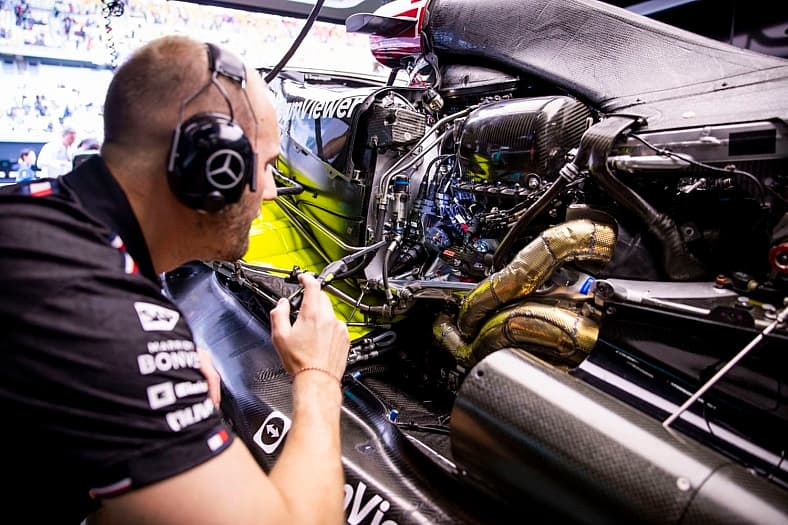
Start with the basics. The 2026 power unit regulations split these cars roughly 50-50 between combustion and electric power. The MGU-H — the component that used to harvest exhaust energy and keep the battery topped up automatically — is gone. What replaced it is a more powerful electric motor and a vastly more complicated energy juggling act.
Because teams can’t harvest energy the way they used to, drivers now have to create their own recharging opportunities mid-lap. On straights, in braking zones, wherever they can steal a moment. To anyone watching at home, the cars look like they’re randomly losing speed for no obvious reason. That’s superclipping — when the energy management system pulls power even with the throttle pinned. It’s as strange as it sounds and it’s been one of the defining images of the 2026 season so far.
Charles Leclerc called it “Mario Kart.” Max Verstappen went further, describing it as “Formula E on steroids.” Lewis Hamilton has been the outlier — saying the racing is the best he’s experienced in 20 years. Hamilton isn’t wrong about Sundays. He’s just not entirely right about qualifying, where superclipping has been most visible and most frustrating.
The 4 Rule Changes Taking Effect at the 2026 Miami Grand Prix
After three rounds of data from Australia, China, and Japan, the FIA met on April 20 with team principals, power unit CEOs, and Formula One Management. The vote was unanimous. Here are the four changes, effective in Miami.
Superclipping limits reduced. Maximum permitted recharge drops from 8 MJ to 7 MJ. Peak superclip power increases from 250 kW to 350 kW. The goal is straightforward — less time recharging, more time flat out. Superclip duration should drop to roughly two to four seconds per lap. That’s a meaningful reduction from what fans watched through the first three rounds.
Power deployment is capped in corners. The MGU-K still delivers 350 kW through acceleration zones — corner exit to braking point — but drops to 250 kW elsewhere. The 150 kW cap above the current power level at activation directly addresses the sudden, jarring performance swings that were creating dangerous closing speeds on track. Overtaking needs to be exciting. It doesn’t need to be a safety problem.
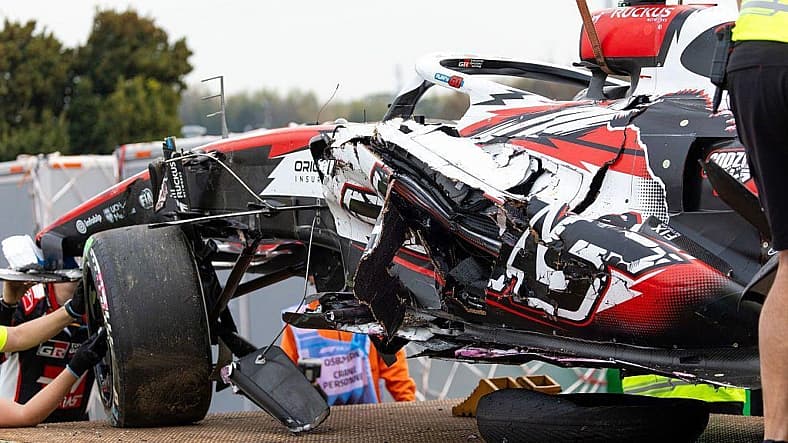
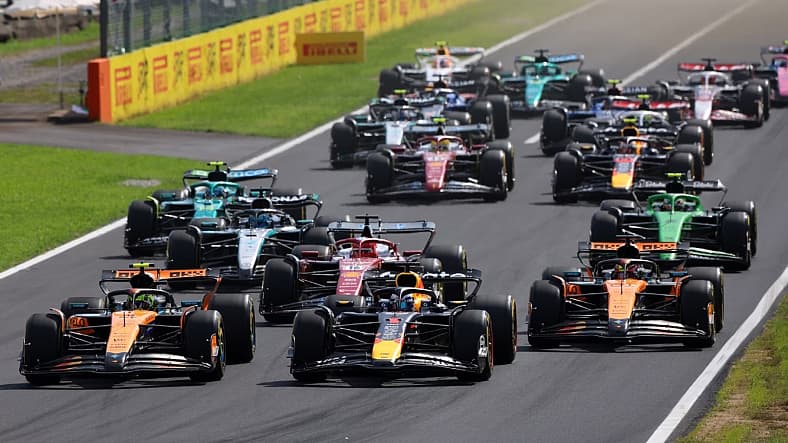
New race start detection system. Starts have been chaotic in 2026. The new detection system identifies car movement more precisely off the line and tightens the window for deployment at the moment the lights go out. The Bearman crash in Japan happened on lap 22, but the start-line lottery has produced its own near-misses. This is the fix. It won’t be fully visible to fans watching at home, but teams will feel it immediately.
Updated wet weather protocols. New parameters for when and how power deployment changes in wet conditions. Less dramatic than the other three changes, but important for safety. Miami in May can produce afternoon storms. This one could matter more than people realize before the weekend is out.
Related: 5 Storylines to Watch at the 2026 Formula 1 Miami Grand Prix
Why Miami Is the First Test for F1’s 2026 Regulation Fixes
The five-week gap between Japan and Miami was supposed to be a break. It turned into a working session. The FIA used every week of it — three separate meetings on April 9, 15, and 16, followed by the April 20 vote — to get to this package.
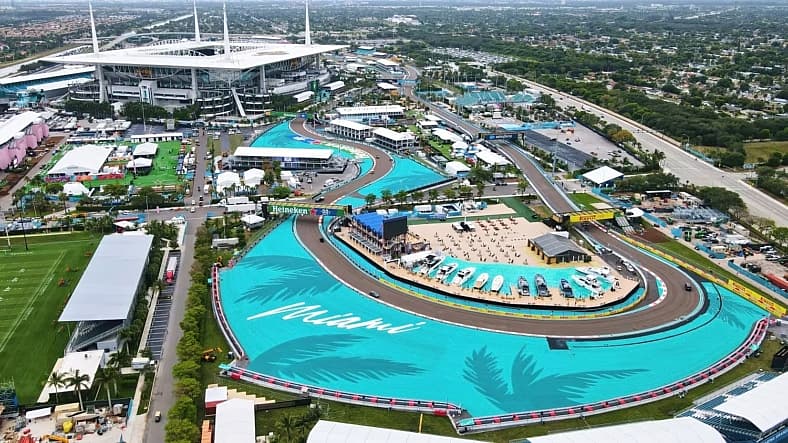
Miami is a Sprint weekend, which makes it the most demanding possible test for new regulations changes. Teams don’t get the usual practice runway to figure things out. They have to adapt their energy strategies, deployment maps, and qualifying setups simultaneously for both Saturday’s Sprint and Sunday’s feature race on a circuit they haven’t run under these new rules before.
If a team gets the new parameters wrong on Friday, they might not have enough time to fix it before it costs them on Sunday.
Will the 2026 F1 Rule Changes Actually Improve Racing at Miami?
That’s the only question that matters this weekend and the honest answer is: probably some, not entirely.
The superclipping reduction will be the most visible change. Two to four seconds per lap instead of six to eight is a genuine improvement for anyone watching a car inexplicably slow down on a straight. The corner deployment cap should clean up the closing-speed danger that had engineers and drivers both nervous. Those two changes alone should make the on-track product look more like what the F1 fans expect.
The start detection system and wet weather protocols are more invisible. You’ll only notice them if they work and definitely notice them if they don’t.
What these changes don’t fix: the fundamental architecture of the 2026 power unit. The cars still have a more complex energy balance than anything that came before them. Teams are still on a steep learning curve. The gap between Mercedes and the rest is still real. Miami will tell us whether the regulation fixes produced better racing or just shifted the energy management problem somewhere less obvious.
Watch the first lap carefully. If the start procedure changes deliver, and the superclipping reduction holds, you’ll see it almost immediately.
If you don’t — F1 has more work to do.