Scott Gulbransen
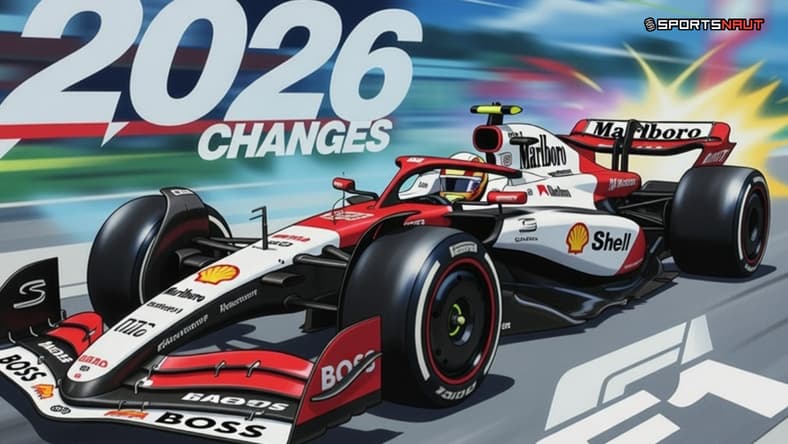
F1 is about to go through its biggest transformation in years — maybe since those wild ground-effect cars came roaring back a few seasons ago.
The 2026 rules promise cars that look different, sound a bit different, and race in a way that should deliver more genuine battles on track. If you’re new to the sport or have been following for decades, here’s a no-nonsense rundown of what actually changes, why it matters, and what you can expect when the lights go out in ’26.
The Heart of the F1 Car: Power Units Get a Serious Rethink
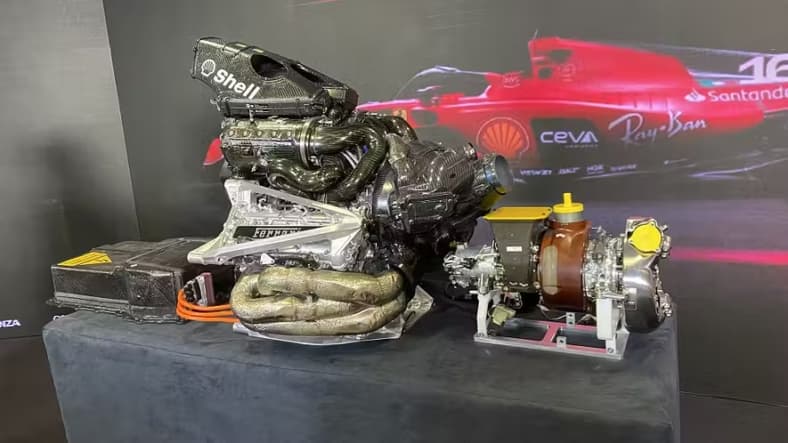
Under the skin, F1 is keeping the 1.6-liter turbo V6, but the hybrid side is taking center stage. Right now, the electric boost is pretty modest. For 2026, it’ll jump to roughly half the total power coming from the battery rather than the fuel engine. That means triple the electric output compared with the 2025 F1 cars. The old MGU-H, the part that scavenged heat from the exhaust, is history. It was clever tech, but complicated, heavy, and not something you’d see in a road car anyway.
Drivers will pull twice as much energy back per lap, mostly from braking and lifting off the throttle. Strategy shifts: teams and drivers have to decide when to harvest aggressively or save charge for a big push later. And the fuel? It’s going 100% sustainable—made from captured carbon, municipal waste, or plant stuff that doesn’t mess with food supplies. They’ve already been testing it in junior formulas, so it should be reliable out of the gate.
This greener, more electric-heavy setup has lured in fresh blood, including Audi, Honda’s back, Red Bull building its own with Ford’s help, and even General Motors eyeing a later entry. More manufacturers usually mean tighter competition and wilder innovation.
Smaller, Lighter, Nimbler: The Cars Themselves
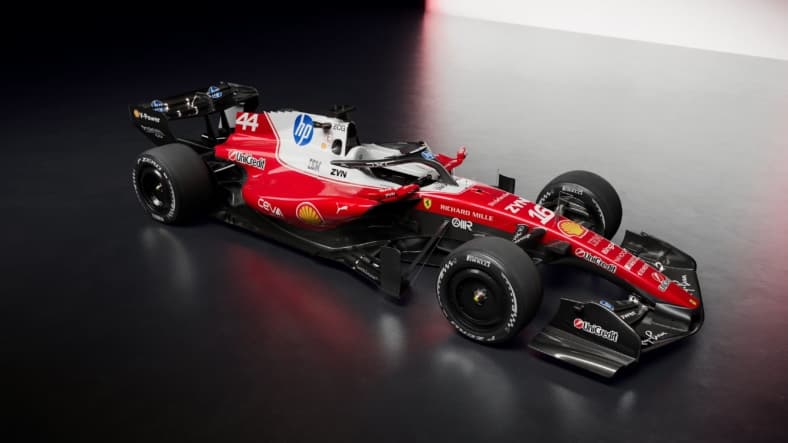
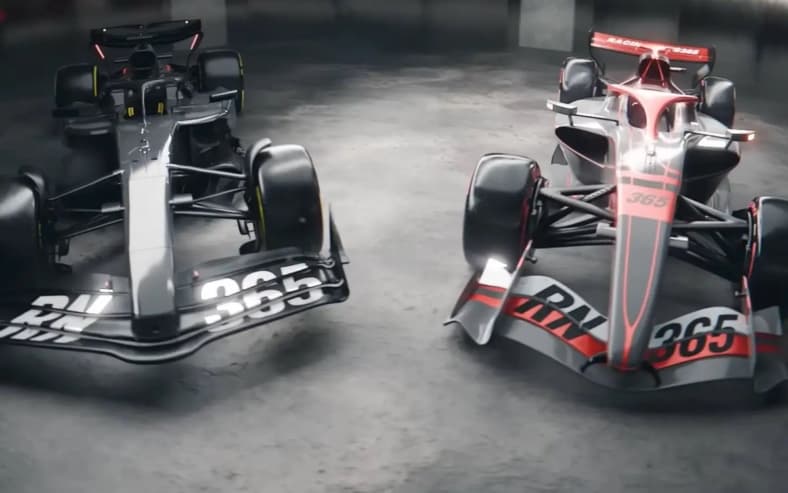
Forget the long, wide monsters we’ve got now. 2026 cars shrink—shorter wheelbase, narrower body, overall lighter by a noticeable chunk. Tires stay 18-inch Pirelli rubber but get slimmer to cut weight and drag. Front wheel arches? Gone. That cleans up the look and sheds more weight.
The floor changes dramatically, too. No more super-long venturi tunnels sucking the car to the track. Instead, flatter floors with bigger rear diffusers mean less overall downforce. Teams can play with ride heights more freely, which should reward different driving styles and setups. Cornering won’t feel glued-on anymore, as drivers will have to work the car harder, sliding a bit and managing the tires differently. It should make following closer and less punishing because the dirty air coming off the car ahead won’t hurt as much.
Wings That Move: Goodbye DRS, Hello Active Aero
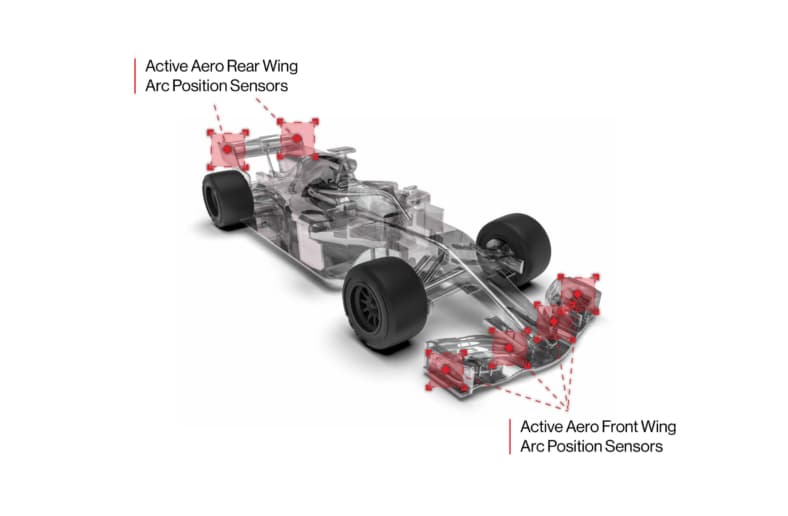
This is probably the headline-grabber for racing fans. DRS required you to be within a second of the guy in front before you could open the rear wing. Now, both front and rear wings can adjust on command. In slow corners, they stay closed for maximum grip; on straights, the driver flips them to a low-drag setting for higher top speed — every lap, every straight, no waiting.
There’s an “Overtake Mode” too: when you’re within a second at a specific detection point, it unlocks extra electric energy for a targeted attack. And a separate “Boost” button lets you dump full power — engine plus battery — whenever you want, whether it’s one massive surge or spread out over a few corners. Battery management becomes a real chess match: chat with your engineer mid-race about recharge modes, and decide when to harvest hard or conserve. Races could see drivers holding back early to unleash hell later.
Safety Stays Paramount
In the most recent decade, F1 has continued to work double-time on ensuring driver safety. In 2026, the cockpit survival cell undergoes more rigorous crash testing. Roll hoops now handle 23% more load; think the weight of nine family sedans stacked on top. Front crash structures break in stages, so they absorb energy more effectively even if a car is hit twice in quick succession.
What It Means for the Show
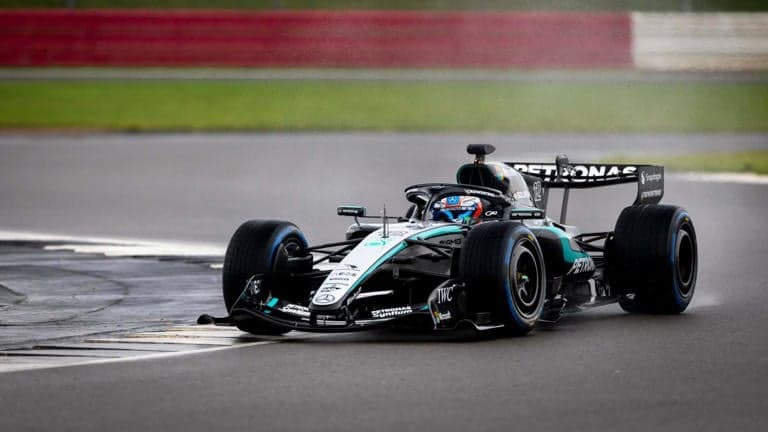
Put it all together, and the racing in 2026 should feel rawer and more tactical. Less downforce means cars won’t stick like glue, so overtakes might happen in more places — not just DRS zones. But it also means drivers can’t rely solely on aero; skill, tire management, and energy strategy will separate the great from the good.
The cars will still be blindingly quick, but don’t worry, lap times won’t suddenly look like Formula 2. The battles should be closer and last longer through corners. With new manufacturers and these tools, expect plenty of storylines: who nails the battery game first, who masters the active wings, who turns sustainability into on-track speed.
Testing will tell us more as we get closer, but on paper this looks like F1 trying to keep the drama high while dragging the sport into a more relevant, greener future. Should be a hell of a watch.