
 Scott Gulbransen
Formula 1 didn’t wait for the off-season to fix its problems. Three races in, the FIA called an emergency meeting, got unanimous agreement from every team, and pushed through four regulation changes that take effect this weekend at the 2026 Miami Grand Prix. It’s the first race back after an unplanned five-week break due to the war in Iran, and the first big test of these regulation changes.
Here’s what changed and why it matters this weekend in Miami.
Superclipping Is Getting Reined In
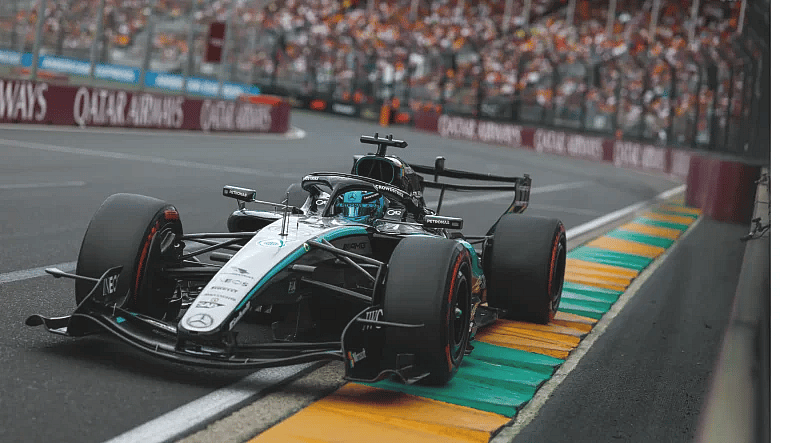
This is the one fans have complained about most. Superclipping is what happens when the car harvests energy to recharge its battery while still at full throttle — meaning the driver has the pedal pinned, but the car slows down anyway. On a straight. For no visible reason. It looked strange on television and felt worse from the cockpit.
The fix: maximum permitted energy recharge per lap drops from 8 MJ to 7 MJ, while peak superclip power increases from 250 kW to 350 kW. Less time recharging, faster when it happens. In practice, drivers should spend roughly two to four seconds per lap in superclip instead of the six to eight we’ve seen through the first three rounds. Not eliminated, but meaningfully reduced.
Corner Deployment Is Now Capped
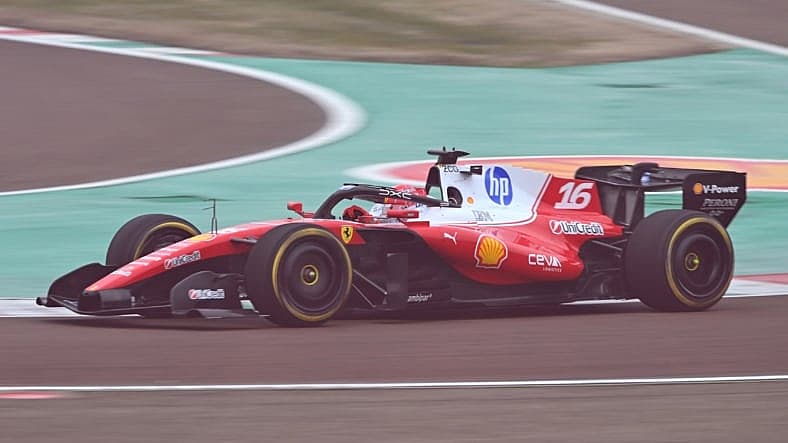
The second change addresses something drivers have flagged as genuinely dangerous. When a car activates its electrical boost exiting a corner, the sudden surge in power creates extreme closing speeds on the following straight. The car behind goes from a manageable gap to near-collision territory in a fraction of a second.
The fix: power deployment outside of the main acceleration zones — corner exit to braking point — is now capped at 250 kW, with the boost limited to 150 kW above the current power level at activation. Full 350 kW is still available where it belongs. The dangerous spikes are gone.
Race Starts Have a New Detection System
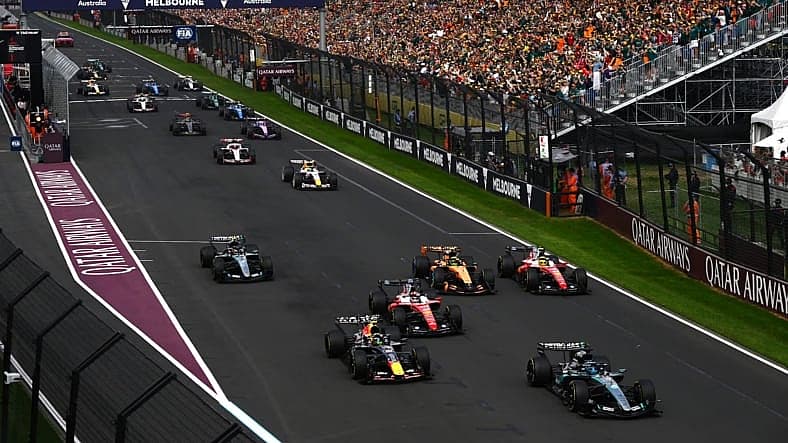
Starts have been a problem all season. Under 2026 regulations, drivers must rev at high RPM for 10 seconds before lights out to spool the turbo, while simultaneously managing battery reserves from the formation lap. In fact, four-time world champion Max Verstappen has botched every start this year. He’s not alone.
The new start detection system more precisely identifies car movement off the line and tightens the deployment window at the moment the lights go out. It won’t be visible to fans watching at home, but teams will feel it immediately. If it works, the chaos that has reshuffled the order three weekends running should stabilize.
Updated Wet Weather Protocols
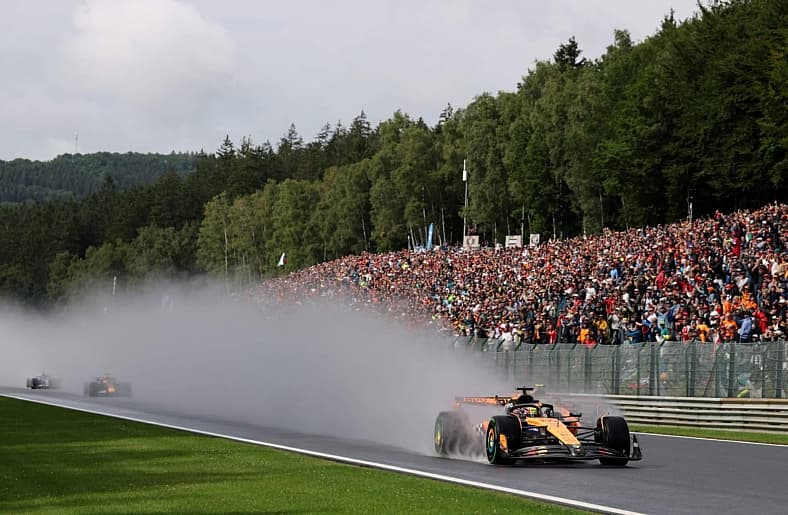
The least dramatic change on paper, but potentially the most relevant this weekend at the 2026 Miami Grand Prix. New rules and systems govern how power deployment changes in wet conditions. Given Sunday’s forecast of an 88% chance of rain and a 53% chance of thunderstorms, this one could matter more than any of the others.
Under U.S. law, any outdoor event must be halted if lightning is in the area — which means this race could be red-flagged even without standing water on the track. The FIA has a contingency plan ready. The updated wet-weather protocols are part of it. That includes limiting MGU-K deployment under low-grip conditions, such as rain. That means that boost mode is unavailable.
Miami is the test bed. Five weeks of work, four unanimous changes, one race weekend to find out if any of it produces better racing. Watch the first lap carefully — and keep an eye on the sky.