
 Scott Gulbransen
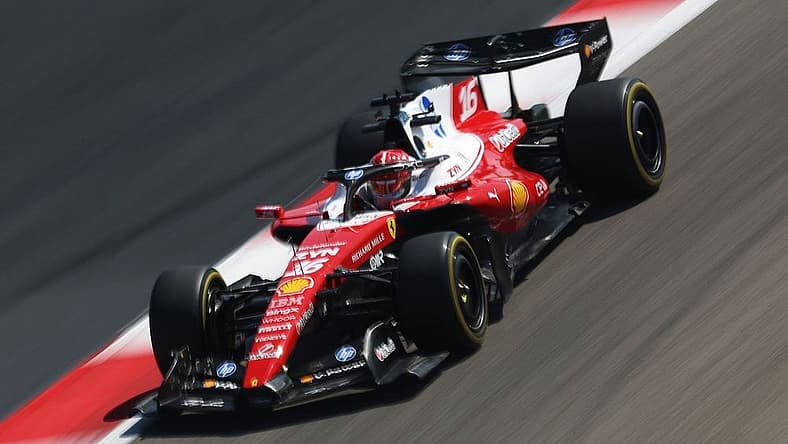
Charles Leclerc went fastest on the final day of 2026 pre-season testing. That’s the headline. But if you stopped there, you’d miss almost everything that actually mattered.
On the crisis side of the pit is Aston Martin. They ran just two laps on Friday. Aston Martin sent Fernando Alonso out for two laps on Day 3. Two. That’s not a testing program, that’s a team trying to stay quiet while a fire burns somewhere inside the garage. More on that in a moment.
Leclerc and Ferrari: Fast When It Counts
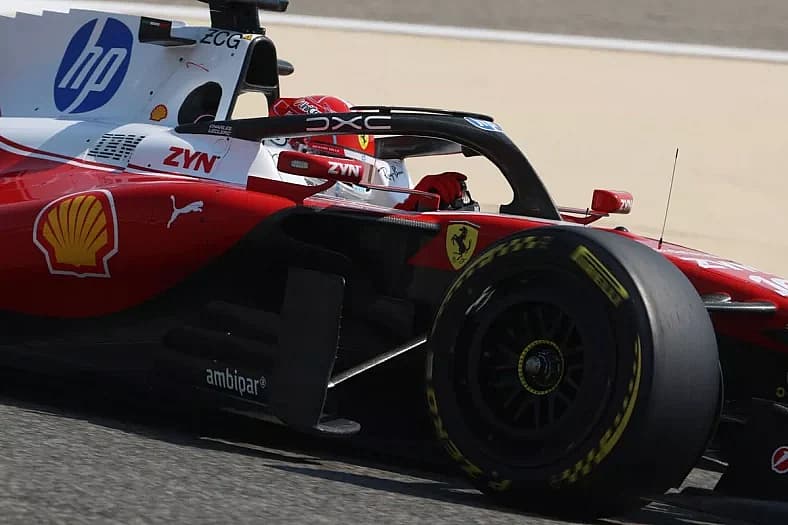
Leclerc clocked the quickest time of the entire three-day session on Day 3, doing it on Pirelli’s softest compound, the C5, essentially the tire you’d bring out for one hot qualifying lap, not the workhorse rubber teams use to gather race-pace data. So yes, pump the brakes slightly on what this means for the season opener in Melbourne. But here’s the thing: Ferrari looked comfortable and composed. Leclerc wasn’t white-knuckling it through Turns 11 and 12 the way some drivers appeared to be managing these new, lighter, ground-effect machines. The car looked planted.
“The feeling in the car is good,” Leclerc said after the session, which, coming from a driver who spent two years nursing a Ferrari that would randomly become a handful at high speed, is actually a big deal.
The 2026 cars are dramatically different from anything F1 has fielded in recent years. The rule overhaul — new aerodynamic regulations and a hybrid power unit that recovers and deploys energy in ways cars hadn’t before — was supposed to reset the competitive order. Ferrari, at least in Bahrain, looks like it might have gotten a head start.
Aston Martin’s Two-Lap Day Is a Five-Alarm Problem
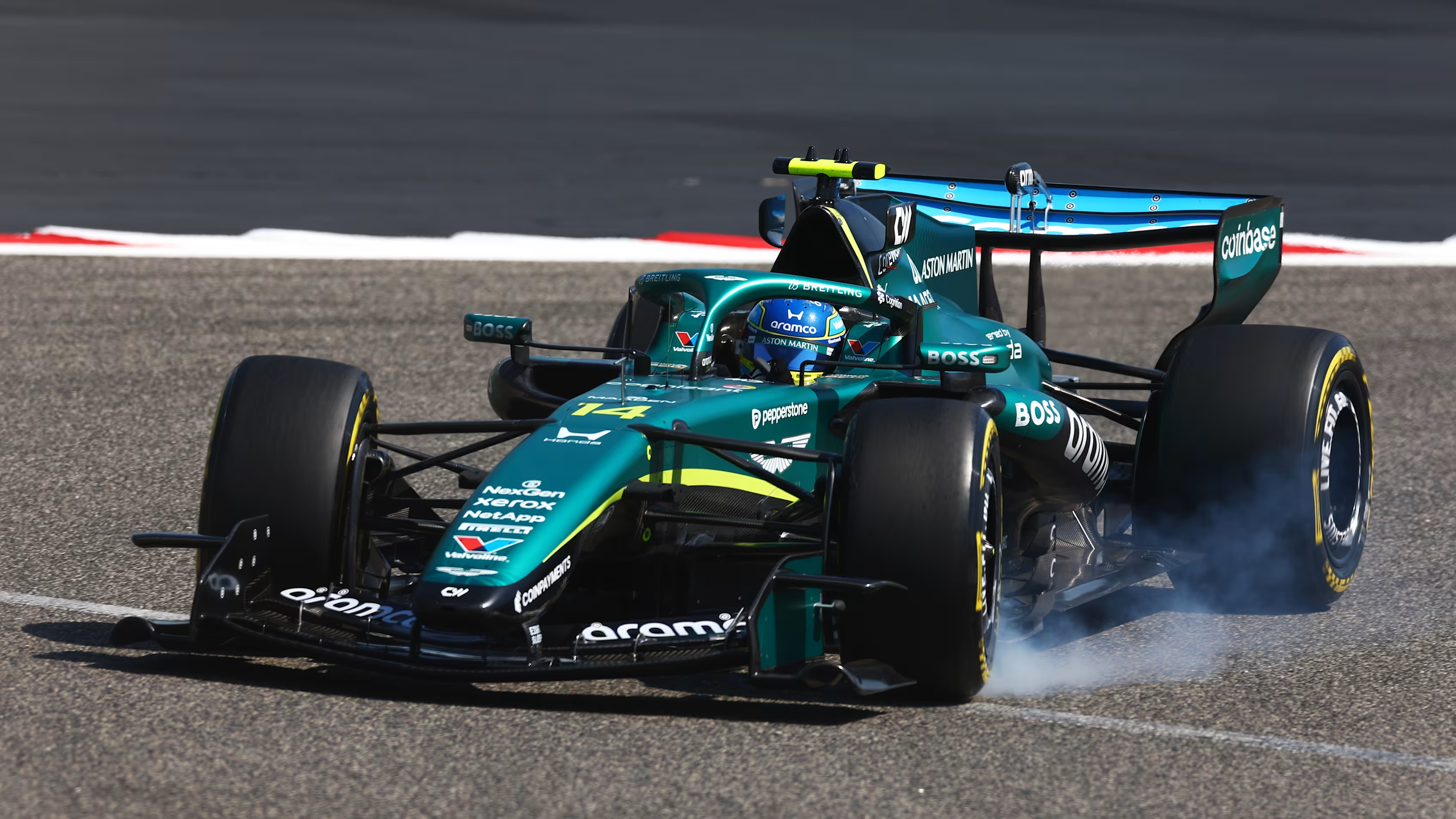
Nobody expected what happened with Aston Martin. Two laps for Alonso. The team cited a technical issue, which is the F1 equivalent of “we’d rather not talk about it.”
Here’s where it gets interesting. Aston Martin just completed its first full year with Adrian Newey, the legendary designer who left Red Bull after two decades and joined the Silverstone-based outfit with enormous fanfare. The assumption was that his fingerprints on the 2026 car would appear during pre-season testing. It was thought that Newey and Aston Martin had finally figured out how to close the gap to the front-runners. Instead, Alonso sat in the garage for roughly 23 hours and 58 minutes of a 24-hour test window.
Two laps worth of data heading into a championship season is not a recoverable position in the short term. Teams use this test to dial in setups, validate simulations, and get drivers comfortable with completely new cars. Aston Martin did almost none of that. Whether this is a reliability issue, a fundamental design problem, or something else entirely, the team isn’t saying, and that silence is its own kind of answer.
The Elephant in the Room: Drivers Are Already Talking to Formula E

Buried beneath the lap times and tire data is a story that could define the entire 2026 season before it starts. Multiple F1 drivers have been in private conversations with Formula E about testing their Gen4 car. Formula E, for the uninitiated, is the all-electric open-wheel racing series that runs on street circuits around the world. It’s not F1. But the fact that F1 drivers are exploring it at all tells you something about the mood in the paddock.
The 2026 power unit regulations are genuinely radical. The new hybrid system produces roughly a 50/50 split between combustion and electrical power, meaning these cars are, in a real sense, half-electric race cars. Some drivers have been vocal about the handling characteristics that come with that.
Lando Norris was characteristically blunt about it, acknowledging the cars feel different while publicly backing Max Verstappen’s concerns, which itself was a signal. When Norris, the guy who was practically inseparable from his McLaren all of 2024 and 2025, aligns himself with Verstappen’s skepticism, the sport’s leadership probably shouldn’t dismiss it as two guys complaining.
F1 CEO Stefano Domenicali pushed back on the narrative that there’s a crisis, calling the concerns “normal” for a major regulation change.
“We are at the beginning of something new,” Domenicali said. “We know there will be challenges, but the foundation is strong.”
Maybe. But drivers quietly knocking on Formula E’s door isn’t a thing that happens when everything is fine.
The Full Timing Sheet and What It Actually Tells You
Behind Leclerc, the order shuffled around in ways that are mildly interesting but shouldn’t be read too literally. Testing lap times are notoriously misleading. Teams run different fuel loads, tire compounds, and programs. A car that looks slow on Day 3 might be hauling around 14 extra pounds of fuel while running long-run simulations. A car that looks fast might have sent its driver out on sticker softs for a single push lap designed entirely for the team’s social media accounts.
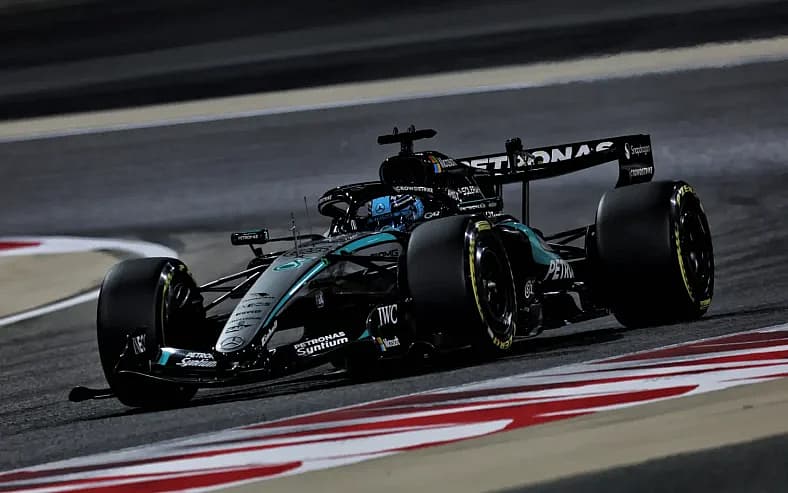
What testing does reveal is who looks smooth, who looks like they’re wrestling something, and who appears to have a car that actually does what they ask it to. By that measure, Ferrari and McLaren looked composed. Red Bull, dealing with a power unit transition of its own after years of Honda partnership, had moments that drew attention for the wrong reasons. Mercedes was present, gathering data, and giving away almost nothing about where they actually stand. Classic Mercedes sandbagging.
The Australian Grand Prix is just a few weeks away on March 7. We’ll know a lot more then.
What we know now is that Ferrari walked out of Bahrain with momentum, Aston Martin walked out with almost nothing, and the drivers who were supposed to be the face of this new era are already looking at the exits — if only briefly — to understand what they might be dealing with all season long.
That’s either a rough patch at the start of something exciting, or the beginning of a real problem. Pre-season testing has a way of raising questions it can’t answer.