Scott Gulbransen
As F1 fans get ready to watch the first race of the 2026 season at the Australian Grand Prix in Melbourne this weekend, what racing will look like with the sport’s biggest changes in over a decade taking hold is anyone’s guess.
With many more questions than answers, there are some top stories we’ll be watching as will the entire motorsport world as F1’s 76th season kicks off on the grid at the Melbourne Grand Prix Circuit.
Here are the biggest storylines we’ll be following this week.
1. Nobody Actually Knows Who’s Fastest
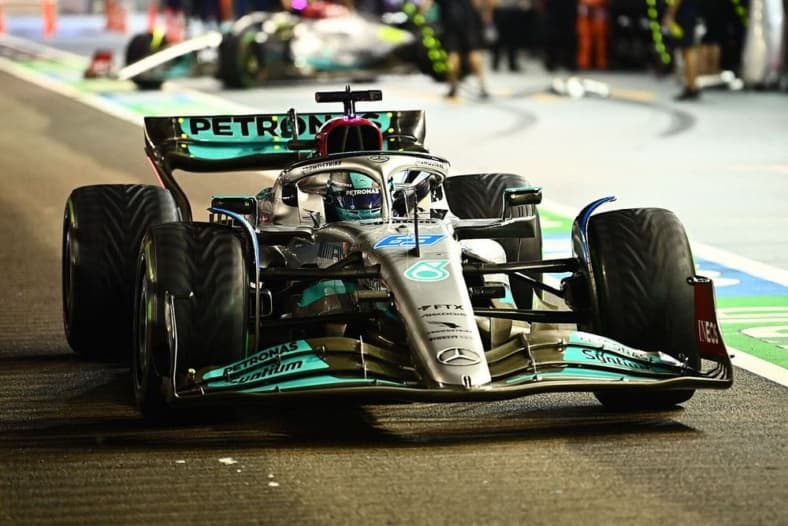
That’s not a dramatic take. That’s just the reality with all of these new regulations and cars.
All four of the teams who split the podiums for the last four years — McLaren, Mercedes, Ferrari, Red Bull — came out of Bahrain pre-season testing pointing at each other as the one to beat. McLaren’s team principal singled out Ferrari and Mercedes. George Russell suggested Red Bull’s power deployment “still definitely looks the best on the grid.” Red Bull, in a move that felt equal parts humility and gamesmanship, told anyone who’d listen they were the fourth-fastest team.
Here’s the thing. They can’t all be right. But they could all be closer than they’re letting on. Martin Brundle, who’s seen enough pre-season theater to fill a memoir, put it plainly on Sky Sports F1: “From everybody I’ve spoken to, it does seem that the usual top-four teams are extremely close, even though they’re going about it in different ways and with three different power units.”
Translation: Saturday qualifying in Melbourne is going to be genuinely unpredictable in a way it hasn’t been in years. That’s not hyperbole. That’s a by-product of the most sweeping regulation change in the sport’s history. 2026 brings new chassis, new engines, and new aerodynamic philosophy, all at once. Here are the biggest storylines we’ll be following this week.
2. The Leclerc Clock Is Ticking
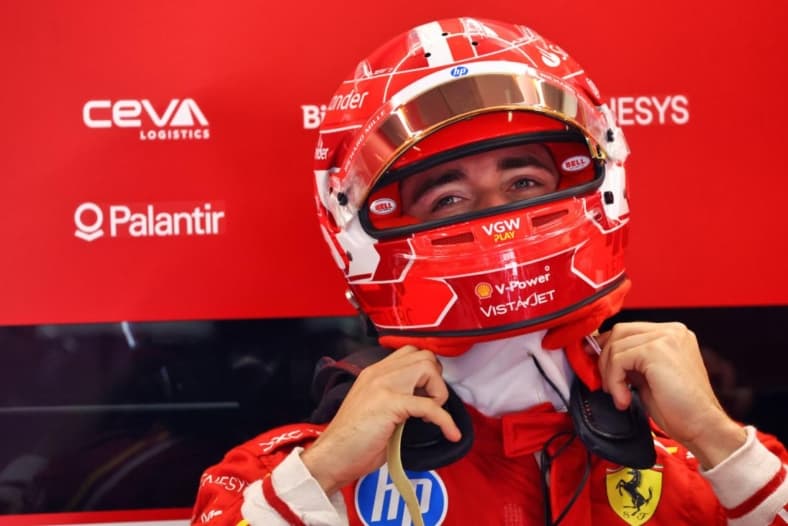
Charles Leclerc has been driving for Ferrari since 2019. He’s won races. He’s taken poles. And heading out of Abu Dhabi last November, he made something very clear to anyone willing to read between the lines: the first five or six races of 2026 would be critical in his decision about his future.
Think about what that actually means. One of the best drivers on the grid, a man raised from a teenager inside the Ferrari system, publicly tied his contract future to the performance of a car that hadn’t turned a competitive lap yet. That’s a big warning to Ferrari from one of its best drivers.
Ferrari made significant moves this winter, including shifting resources onto 2026 earlier than most teams were willing to. The new SF-26 impressed in testing in Bahrain this winter. Brundle called the Ferrari power unit “good and reliable.” There’s genuine optimism around Maranello in a way that wasn’t there last October. But Leclerc has been in this movie before. He won two of the first three races in 2022 before the season disintegrated around him. His patience with Ferrari won’t last past this season if the Scuderia sees another failure with the car.
If the car is in the window of the big four in Melbourne and keeps developing, he stays. If it’s not, the conversations with other teams get very real, very fast.
3. Hamilton’s Redemption Arc Starts Now
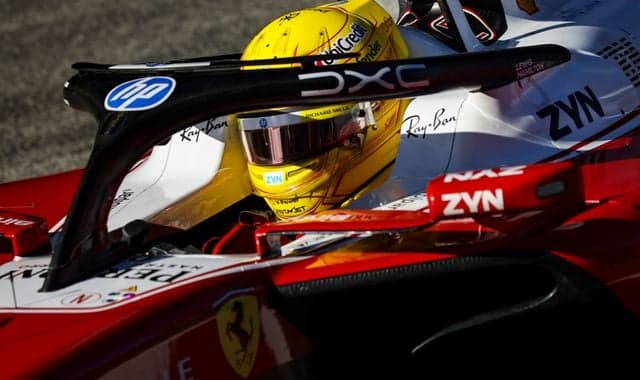
Lewis Hamilton’s first season at Ferrari was, by any honest accounting, a disappointment. Not a disaster, not a career-ender, but a long, uncomfortable reminder that even the greatest driver in the sport’s history can look ordinary in the wrong car. He said himself that 2025 was a foundation year. Fair enough. Now the foundation needs to hold something up.
The good news for Hamilton is that the new-generation cars represent a genuine reset. His frustration with the outgoing ground-effect formula, where aerodynamic downforce was generated by channels underneath the car rather than through wings, was an open secret in the paddock. He’s on record calling them difficult, physically punishing and unenjoyable to drive. The 2026 cars are shorter, lighter, and more mechanically nimble by design.
Whether that translates to a performance rebound is still an open question. What isn’t open is the pressure. A slow first quarter of the season, with Leclerc running strong and Hamilton struggling again, creates a scenario nobody at Maranello wants to think about — one of the most storied partnerships in motorsport history turning into a PR problem inside 18 months.
4. Aston Martin Arrives Late to the Party (Again)
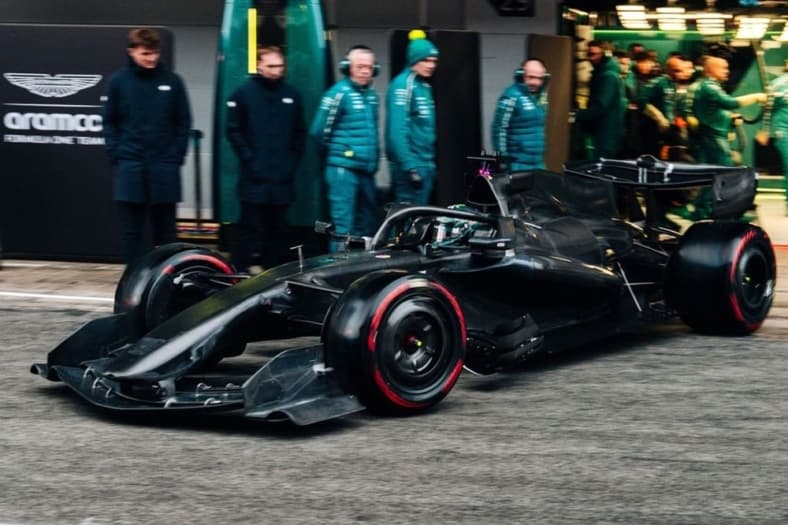
The promise around Aston Martin has been loud for three years now. Lawrence Stroll has spent genuinely massive sums, hired Adrian Newey, secured a works deal with Honda and built a new state-of-the-art campus across from Silverstone. On paper, this was always meant to be the regulation cycle where it all clicked.
In Bahrain, they logged 128 laps across the full second test. Mercedes ran 432. On the final day, they managed six untimed laps before a battery issue shut them down.
Pedro de la Rosa, their team representative, called the pre-season “extremely tough” and said the team is “not setting targets” for the early races. That’s an uncomfortable admission for a team carrying this much expectation. To be clear about the scope of what Newey and crew are dealing with: Aston is navigating a brand new Honda power unit, a complete chassis overhaul, and significant personnel changes, all at once.
The raw material is there. Alonso, who hasn’t won a grand prix since 2013, remains capable of extracting miracles from imperfect machinery. But if the Honda integration issues linger into the European rounds, the team-of-the-future narrative is going to age very badly.
5. What Does Max Verstappen Actually Want?
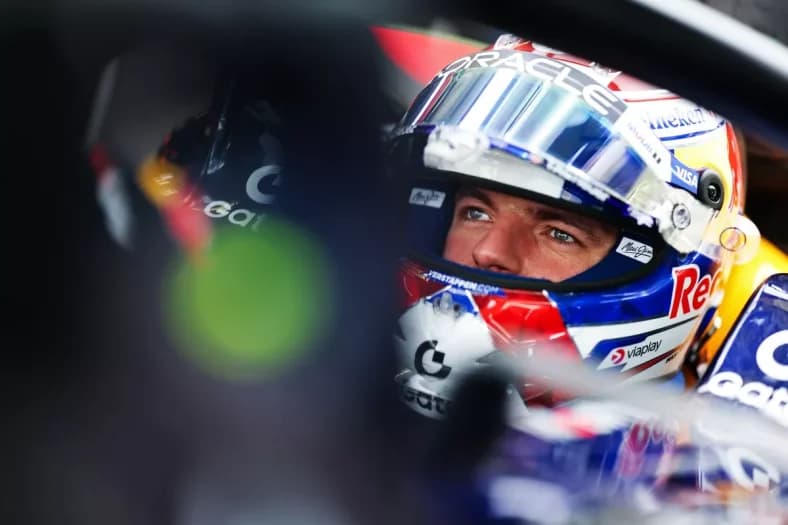
Four world championships already and Max Verstappen is only 28, but he might not be long for the F1 world. He has openly, repeatedly said he’ll walk away from F1 when he stops having fun. Last year, for a stretch, it looked like that moment might be approaching amidst the Red Bull implosion, the team politics, and the car that stopped being competitive. Then came a GT race at the Nürburgring and something seemed to recalibrate. He won four of the final seven grands prix and the championship conversation shifted back to him.
But the questions haven’t gone away. Red Bull’s in-house engine program, built in partnership with Ford, remains the sport’s biggest unknown quantity. If it underperforms and the new generation of cars doesn’t suit the precise, aggressive car control that has defined Verstappen’s career, there is a genuine version of reality in which he openly weighs his options.
He’s talked about Le Mans. He’s talked about doing things differently. Nobody in the paddock would put it past him to make a decision on purely personal terms with no regard for convention. The uncomfortable scenario for F1 — losing the sport’s most dominant driver of the modern era right when a new chapter begins — starts with how the next few months go for Red Bull. Watch Melbourne closely. How Isack Hadjar performs in that second Red Bull seat, and whether Verstappen looks like he’s having fun, will tell you a lot about where this story goes.
The season opens Sunday in Melbourne. Somewhere in the paddock, Max Verstappen is either loving every second of this or quietly making plans. The rest of us are about to find out which one.
Watch F1 this season exclusively on Apple TV+.