
 Scott Gulbransen
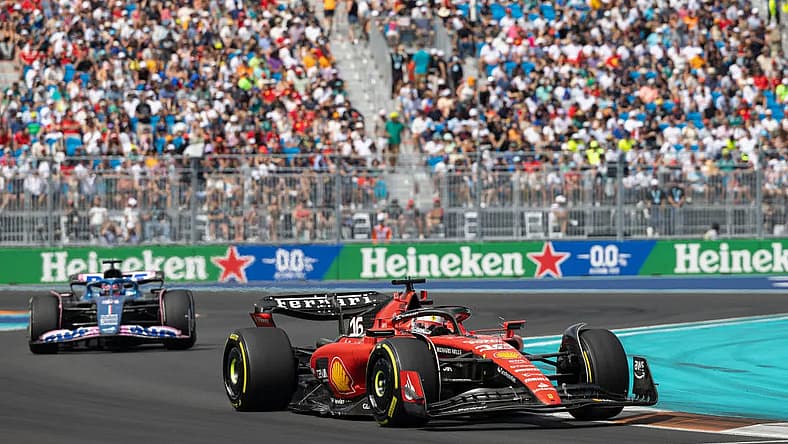
Formula 1 has momentum in America. But momentum isn’t the same as staying power.
The sport’s growth over the past five years has been remarkable. Three U.S. F1 races draw massive crowds. Television ratings keep climbing. Young fans who discovered the sport through Netflix now wake up at 6 a.m. to watch races from Singapore and Japan. F1 has broken through in a way that seemed impossible a decade ago.
Yet breaking through and breaking out are different things. F1 remains a niche product compared to the NFL, NBA, or even college football. The sport faces real obstacles that won’t disappear because more Americans know who Max Verstappen is.
American F1 Fans and the Schedule Problem
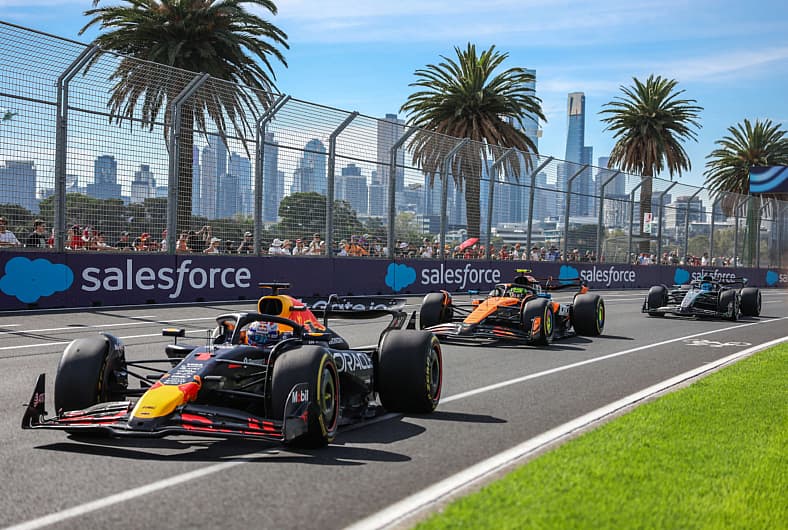
Start with the calendar. F1 races happen at times that make American viewing difficult, if not impossible. A race in Australia starts at 1 a.m. Eastern time. Bahrain begins before most Americans finish dinner on Friday night. European races air during Sunday lunch, competing with NFL games in the fall and lazy weekend plans in the spring.
The sport has tried to accommodate U.S. viewers by scheduling more races in the Americas and adjusting start times where possible. But F1 is a global championship. You can’t move the Monaco Grand Prix to 3 p.m. Eastern time without starting it at 9 p.m. local time, long after sunset.
American sports fans expect accessibility. DVR helps, but avoiding spoilers for a race that happened eight hours ago is nearly impossible in the age of social media. F1 asks for a level of commitment that casual fans struggle to maintain.
F1’s Competitive Disadvantage vs. American Pro Sports
Then there’s the competition itself. Americans like upsets and parity. March Madness captivates the country because a 15-seed can beat a 2-seed. The NFL uses a salary cap and draft system specifically designed to prevent dynasties. Even the NBA, which has seen plenty of dominant teams, markets individual stars who can single-handedly change a game.
F1 offers none of that. The same teams win year after year because they have more money, better facilities, and superior technology. Red Bull won 21 of 22 races in 2023. Mercedes dominated from 2014 to 2020. Ferrari was untouchable in the early 2000s. A driver in a midfield car has virtually no chance of winning a race, let alone a championship, no matter how talented they are.
F1 has achieved something significant in America. It went from irrelevant to relevant. But relevant isn’t dominant.
The sport introduced a budget cap in 2021 to address this problem, but the cap doesn’t apply to driver salaries, and top teams still find ways to maintain advantages. New fans who arrive expecting competition often find processions where the winner is decided before the first corner. That’s fine for die-hards who appreciate technical excellence and strategic nuance. It’s death for casual viewers who want drama.
The lack of an American driver compounds the problem. Logan Sargeant’s brief stint with Williams ended without a single point scored. No American has won an F1 race since 1978. For a country that excels at producing athletic talent, F1 remains stubbornly foreign.
Other countries rally around their drivers. The Netherlands goes orange for Verstappen. American fans lack that connection.
Complexity and Cost Hampering F1 in America

The sport’s complexity also creates barriers. New fans struggle to understand why teams make certain strategic decisions or how technical regulations affect performance. F1 has tried to simplify its presentation, but the sport is inherently technical. Dumb it down too much and you lose what makes it special. Keep it complex and you alienate potential fans.
Cost presents another hurdle. Attending an F1 race in America is expensive. Weekend tickets for Miami or Las Vegas can run into the thousands. Austin is more reasonable, but even there, good seats require significant investment. Add travel and lodging, and a race weekend becomes a major financial commitment. NASCAR offers more affordable live experiences. So does IndyCar.
Television broadcasting adds complications, too. F1 used to air on ESPN, but the network didn’t produce original content or build storylines throughout the week the way it does for the NFL or NBA. Coverage starts minutes before the race and ends shortly after. There’s no daily talk show discussing F1 strategy. The sport exists in a bubble that casual fans can ignore six days a week. With the television rights now moving to Apple TV for 2026, there’s hope that it will change this season.
The Las Vegas Grand Prix exposed another problem: F1’s corporate identity sometimes clashes with authentic racing culture. The race felt like a marketing exercise designed to maximize revenue from wealthy tourists rather than a sporting event for racing fans. Practice sessions started near midnight. Tickets cost more than many people’s monthly rent. The disconnect between F1’s luxury branding and accessible sports entertainment became obvious.
F1 has achieved something significant in America. It went from irrelevant to relevant. But relevant isn’t dominant. The sport’s growth may have plateaued at a level that satisfies Liberty Media’s balance sheet without ever threatening the NFL’s cultural supremacy.
Maybe that’s enough. Maybe F1 doesn’t need to be America’s biggest sport. It just needs to be big enough to sustain three races, maintain television deals, and keep attracting sponsors.
The question is whether the sport is satisfied with that ceiling or whether it’s willing to make compromises that could raise it.