
 Jason Burgos
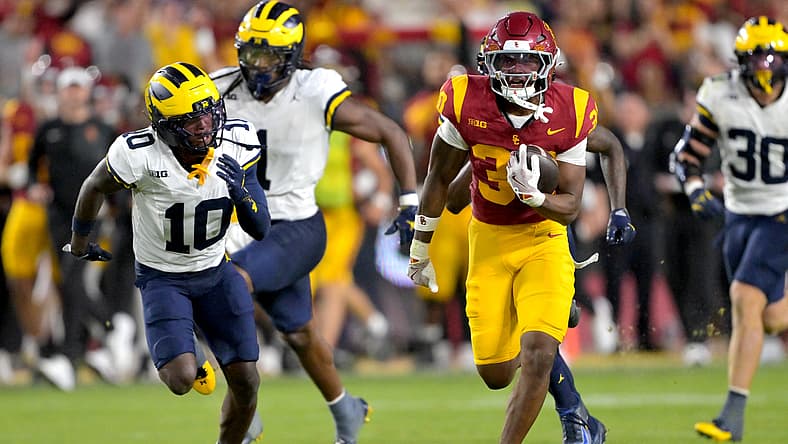
A new report offers up details on why the Michigan and USC athletic programs are very reluctant to take a planned billion-dollar investment into the Big Ten.
One of the biggest stories in the Big Ten right now, besides Ohio State playing outstanding football and sitting at No. 1 in the latest college football rankings, is a California teachers’ pension fund looking to make a $2.4 billion investment in the conference. As well as the divide it has created.
In the deal that would reportedly give the Big Ten’s 18 schools huge nine-figure payments annually for 20 years, the conference will hand over a 10% stake in Big Ten Enterprises and receive a cut of the league’s business income. It is an agreement that most of the schools in the conference are willing to make, except USC and Michigan.
Many around the Big Ten fear that such a huge investment would mean the pension fund would have a huge say in conference decisions. However, during an appearance on 97.1 The Fan in Columbus, college football expert JR Rhoades says that won’t be the case.
“I do think there are some misconceptions about it,” Rhoades began by saying. “One of them is that a lot of people keep calling it private equity. Of course, money is being infused into the conference, and pay-outs to the teams, but the different part of this that makes it more of an investment is that none of the teams will own UC Investments anything.
“A private equity would require them to give away more ownership and an equity stake in the conference,” he added. “This would be a minority stake in the business arm, Big Ten Enterprises. UC Investments would have no voting power and no control.”
USC annoyed by annual payments from investment
So, if that’s the case, why are Michigan and USC so resistant to the investment and upfront money? According to Rhoades, the Trojans’ issues are a bit petty and money-related. In the deal, there will be a tiered payout system. Schools like Michigan, Ohio State, and Penn State will get the biggest up fronts because of their brand value to the conference.
That will be $190 million. USC would be in the next tier and would receive over $140 million. They are allegedly not happy about that and want to be treated “like a big brand” on the level of OSU and the Wolverines.
As for Michigan, the agreement would extend the grant of rights for 10 more years. UC Investments wants to know that all the schools in the conference will be a part of the agreement for the duration of the deal. Meaning in 2036, the programs would lose the right to leave the Big Ten if they chose.
While it seems unlikely Michigan would leave the conference, with a super conference being created, the school seems to want to option to be lured away with big money from a rival league in 2036.