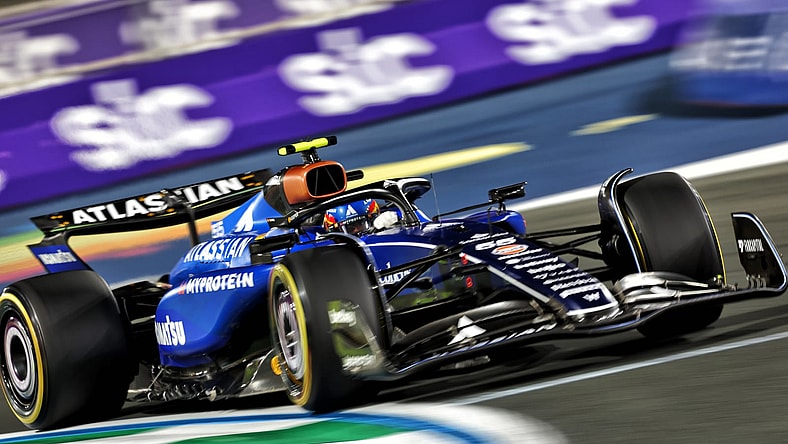
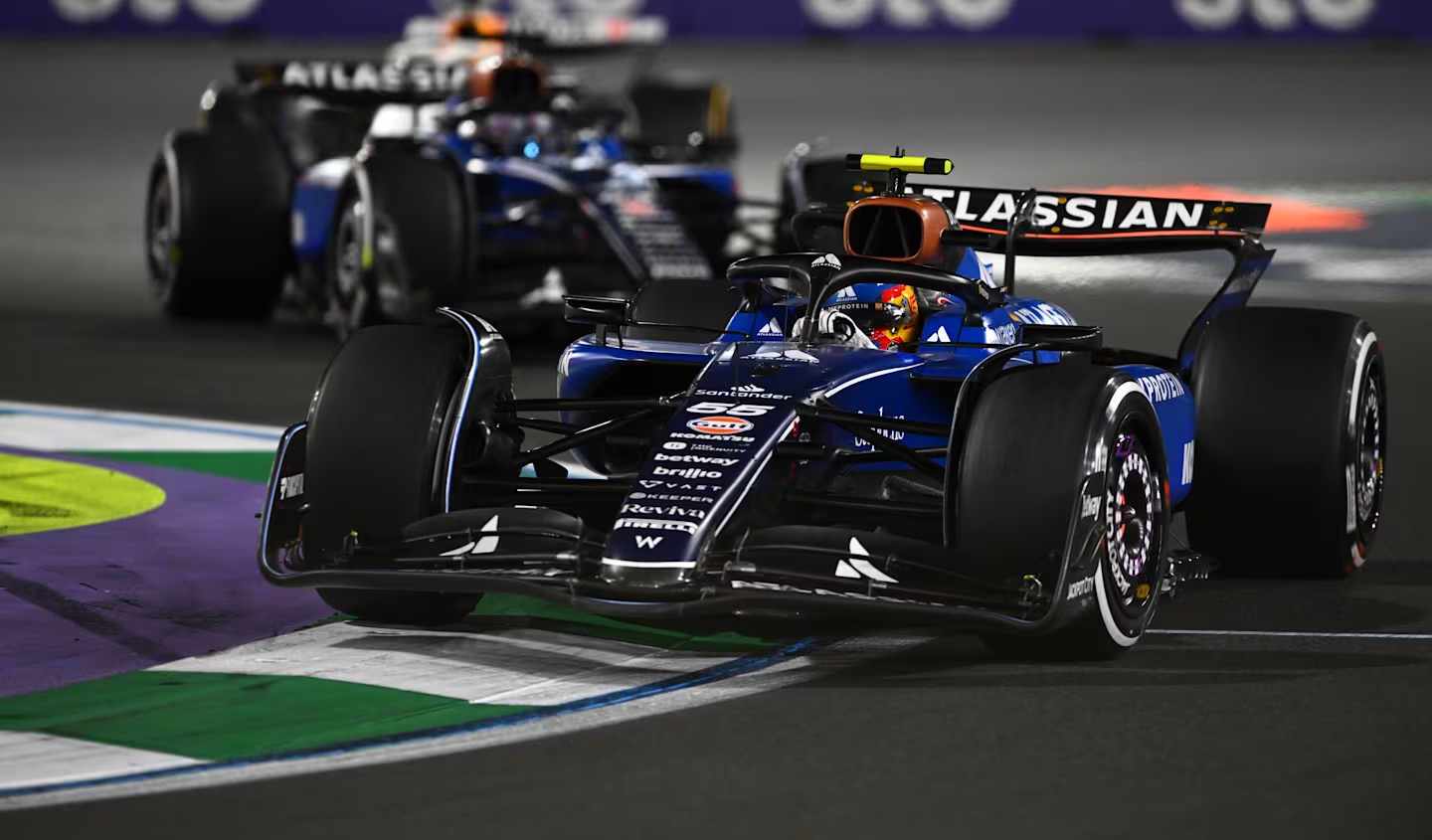
For years, the name Williams in Formula 1 conjured memories of a golden era—multiple championships and dominant performances. Yet, recent Williams F1 seasons told a different story, one of struggle and faded glory. Finishing ninth in the 2024 Constructors’ Championship was a stark reminder of how far the team had fallen.
But in 2025, the Grove, UK-based outfit, is writing a new chapter, one that’s sparking excitement among fans, especially American Formula 1 fans who love a tenacious underdog. Williams isn’t just holding its own in the midfield—it’s charging forward, displaying a grit and determination that signals a genuine resurgence.
Williams F1 turnaround traced to a patient strategy
This turnaround is no stroke of luck. It’s the result of a clear vision, steadfast leadership, and a driver lineup working in lockstep.
At the forefront is Team Principal James Vowles, a strategist whose approach mirrors that of a baseball general manager building a franchise for the long haul. Rather than chasing quick wins, Vowles has poured resources into upgrading the team’s infrastructure, refining its technology, and overhauling its operational systems. His philosophy is clear: “If you want to win, there’s only one way,” he says, emphasizing that short-term sacrifices are necessary for lasting success. This long-term mindset is reshaping Williams into a team poised for future dominance.
If you want to win, there’s only one way. – James Vowles, Team Principal – Williams F1
Albon, a mainstay at Williams, continues to extract every ounce of performance from the car, scoring points consistently and showcasing abilities. His ability to read races and adapt has been a cornerstone of the team’s progress. Joining him is Sainz, a four-time Grand Prix winner who arrived from Ferrari with a wealth of experience in strategy and technical development.
— Atlassian Williams Racing (@WilliamsRacing) April 22, 2025
Sainz initially struggled with the Williams FW47, calling it “a difficult car to drive” early in the season. But he’s optimistic, noting that the team is “moving in the right direction.” The FW47’s improved reliability and competitiveness are evident, with both drivers regularly scoring points. Beyond the car’s performance, the team’s strategic coordination has sharpened. The Saudi GP highlighted this, with seamless communication and execution that led to more points. If the old Williams was a band struggling to find its rhythm, the 2025 iteration is a symphony orchestra, each section playing in harmony to produce a cohesive performance.
Focus on improving in 2025 with a big jump in 2026
Williams’ transformation extends beyond its drivers and leadership to its bold development strategy. In a move that underscores their forward-thinking approach, Vowles revealed that Williams was among the first teams to halt wind tunnel development on the current FW47, redirecting efforts to the 2026 car, the FW48, designed for the sport’s upcoming regulatory overhaul. This decision carries risks—rival teams may continue to refine their 2025 cars, potentially gaining an edge in the short term. Yet, it reflects Williams’ commitment to building a championship-contending future, much like an NFL team investing in young talent while still competing for the playoffs. Sainz emphasizes the importance of the ongoing development of the FW47, as understanding its full potential will inform the design of the 2026 car, ensuring no opportunity for learning is missed.
The 2025 season is about more than just a handful of strong races for Williams—it’s a clear statement of commitment to unified leadership, strategic foresight, and driver focus. While race wins and podiums remain out of reach for now, the team’s progress toward championship contention is undeniable.
For American F1 fans, Williams embodies the spirit of an underdog building unstoppable momentum, making them a team to watch closely. With Vowles’ vision, Albon and Sainz’s talent, and a daring eye on 2026, Williams is not just rising—it’s laying the groundwork to reclaim its place among Formula 1’s elite.

 Scott Gulbransen