
 Scott Gulbransen
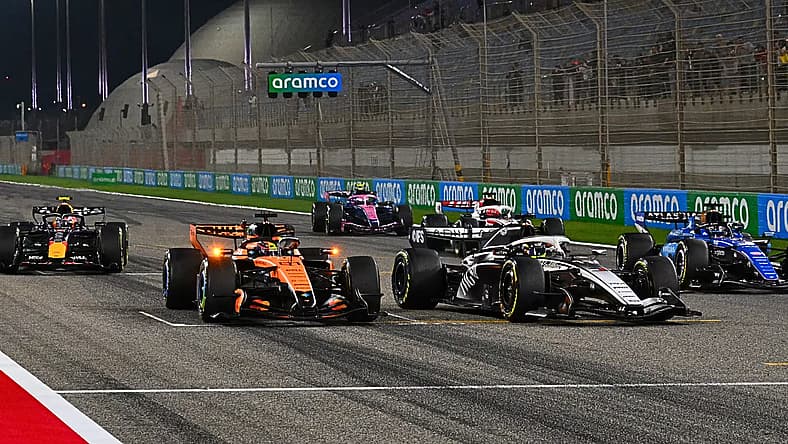
F1 testing wrapped up its first week in Bahrain on Thursday with a whole lot of data and very few answers. The good news? Week 2 kicks off on Wednesday, and this time you can actually watch it.
Unlike the first F1 test — where only the final hour of each day was broadcast — the second session, running February 18-20, will be shown live in full on F1 TV in the United States. For fans in the Eastern time zone, sessions run from 2 a.m. to 11 a.m. ET. Early alarms, yes. But worth it.
Here’s why.
The F1 Pecking Order Is a Mess (In the Best Way)
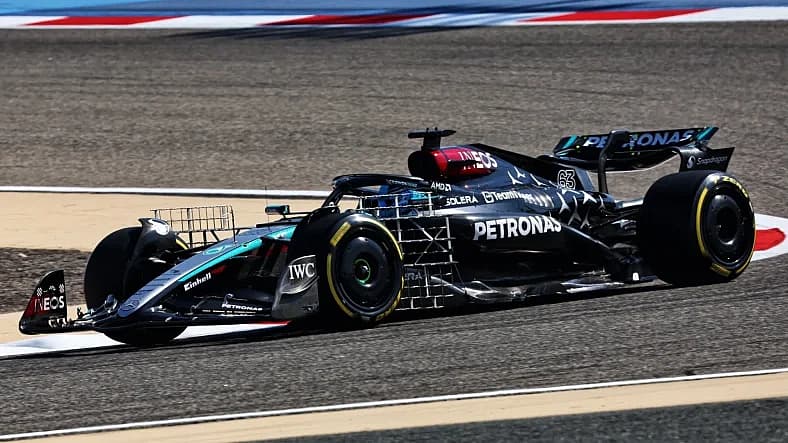
If you thought three days of running at the Bahrain International Circuit would sort out who has the fastest car, think again. Teams spent the week pointing fingers at each other, and no team was willing to claim it had the edge.
Ask Mercedes who’s quickest, and they’ll tell you it’s Red Bull. Ask Red Bull, and they say they’re fourth. Ferrari points to Red Bull and Mercedes. And McLaren — the defending constructors’ champions — insists all three of those teams are ahead of them.
Alpine managing director Steve Nielsen put it bluntly. The competitive picture has shifted almost daily. “If you’d asked me that in Barcelona, I would’ve probably said Mercedes is head and shoulders above the rest,” he said. “If you’d asked me on Wednesday, I would probably have said Red Bull is the benchmark. If you’d asked me yesterday, I would’ve said, ‘Wow, you want to see Ferrari’s long run.'”
That kind of volatility is rare. And it comes down to the single biggest storyline of 2026 testing so far: energy management.
What Is Energy Management and Why Should You Care?
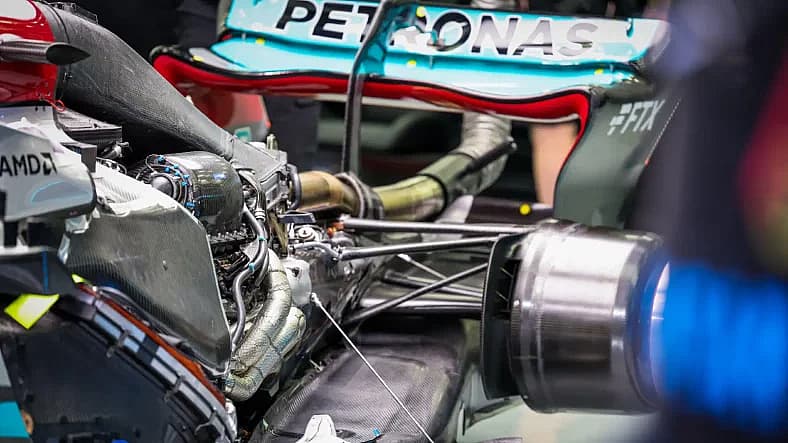
The new 2026 power units produce three times as much electrical power as their predecessors. Sounds great. But there’s a catch: the batteries drain fast. Really fast.
Williams team principal James Vowles offered the simplest explanation anyone has heard heading into the second incarnation of F1 testing in Bahrain.
“Think about it this way,” Vowles said. “In one braking zone, you can nearly fill the battery up, but in half a straight, you can deplete the entire battery.”
That tradeoff is rewriting how drivers approach every corner. Sometimes it makes more sense to lift off the throttle in a fast turn, save the energy, and blast it down the next straight. Teams that figure out the best balance between harvesting energy in corners and deploying it on straights are going to have a massive advantage. Nobody’s cracked the code yet. That’s what Week 2 is for.
George Russell said the Red Bull Ford power unit’s deployment advantage over its rivals could be worth half a second to a full second per lap, calling the gap “pretty scary to see.”
Red Bull technical director Pierre Wache disagreed.
“We are not the benchmark, for sure,” he said, placing Ferrari, Mercedes and McLaren all ahead of Red Bull in his own team’s internal analysis.
Somebody’s sandbagging. Probably everybody.
Verstappen vs. Norris: The Driver Debate
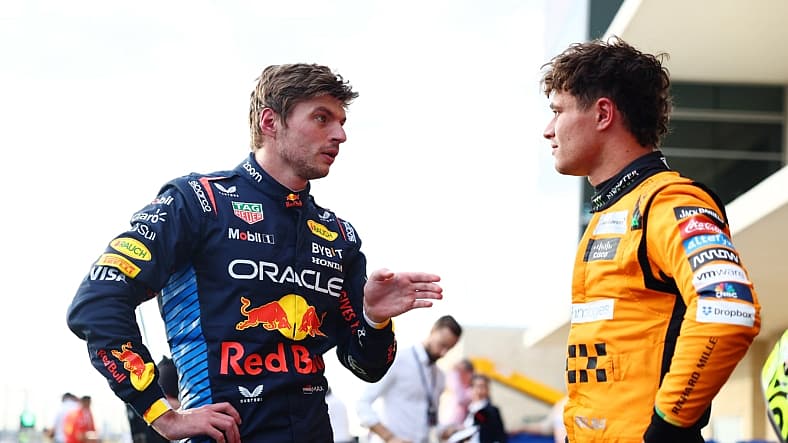
The new regs haven’t just confused the competitive picture. They’ve split the drivers right down the middle.
Max Verstappen didn’t mince words after his first week with the new units during the F1 testing. “A lot of what you do as a driver, in terms of inputs, has a massive effect on the energy side of things,” he said. “For me, that’s just not Formula 1.”
He compared the experience unfavorably to Formula E, the all-electric racing series, calling the 2026 cars something like a juiced-up version of that format. The driving demands have changed dramatically; some drivers are reaching for first gear through corners that used to be taken in third, just to keep the turbo spooling and the battery charging.
Fernando Alonso, who has raced at this track since 2004, noted that Bahrain’s famous high-speed Turn 12 has been fundamentally altered. Speeds have dropped to roughly 38 miles per hour because it simply doesn’t pay to push through it anymore. “Even our chef can drive the car in Turn 12 at that speed,” he joked.
Lando Norris took a different view entirely.
“It’s a challenge but it’s a good fun challenge for the engineers, for the drivers,” Norris said. “You still get to drive cars and travel the world and have a lot of fun. So, no, nothing to complain about.”
Safety Questions Loom Large
Beyond the driver complaints, McLaren team principal Andrea Stella raised issues that could demand rule changes before the March 6 season opener in Australia.
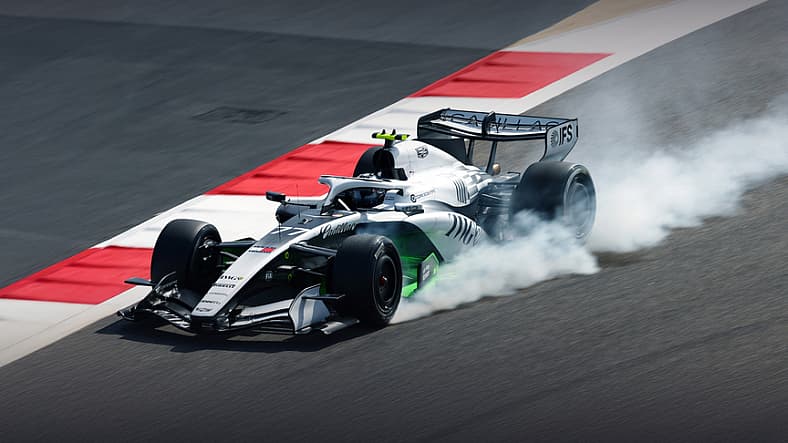
Race starts have become a serious concern during F1 testing in 2026. The new power units lack a component called the MGU-H, which previously helped spool the turbocharger for clean getaways. Now drivers need to rev the engine hard for more than 10 seconds before the start, and there’s a real worry that cars at the back of the grid won’t have enough time under the current start procedure to get their turbos ready.
“We need to make sure that the race start procedure allows all cars to have the power unit ready to go,” Stella said, “because the grid is not the place in which you want to have cars slow in taking off.”
Stella also flagged potential dangers from cars lifting and coasting along straights to harvest energy, which could create closing-speed differentials and lead to collisions. The F1 Commission is expected to discuss these issues at its meeting on Wednesday during Week 2 of F1 testing.
Who Needs a Big Week at F1 Testing?
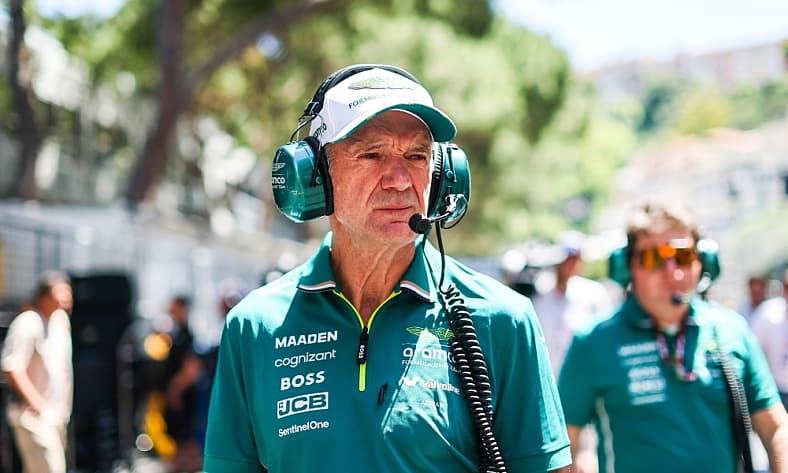
Aston Martin enters the second test in rough shape. They managed just 206 laps during Week 1 — the lowest of any team — after being plagued by reliability problems. Lance Stroll publicly admitted the car was four and a half seconds off the pace of the frontrunners, and Fernando Alonso acknowledged the team must “walk before we run.” For Week 2, Aston Martin is the only squad skipping the harder C1 and C2 tyre compounds entirely, loading up on 20 sets of the softer C3 as they scramble for data and development mileage.
Kimi Antonelli needs a rebound too. The young Mercedes driver managed just 94 laps across the three days — fewest of any driver — due to reliability headaches. “It is much better to have these issues now,” he said, “rather than them happening during race weekends.”
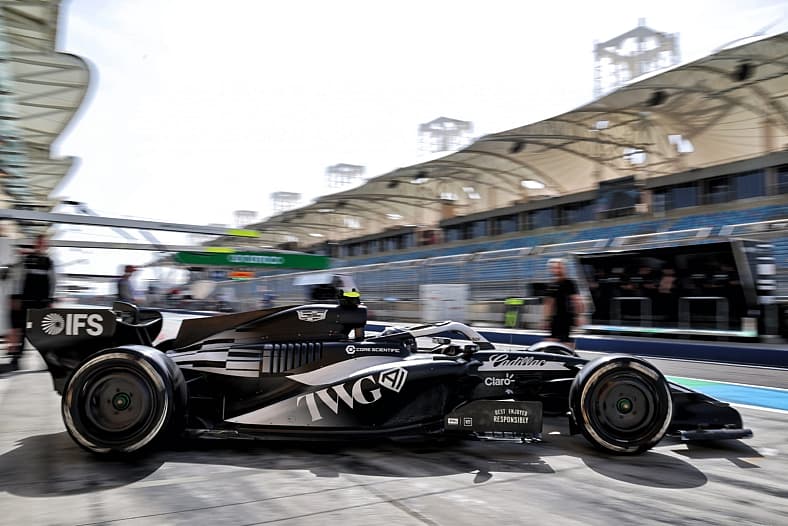
On the flip side, Cadillac — the newest team on the grid and the first American constructor in decades — had an encouraging debut. They banked over 1,700 km across the three days, completed race simulations with both Sergio Perez and Valtteri Bottas, and showed the kind of operational smoothness you wouldn’t expect from a brand-new outfit.
The Bottom Line
Week 2 is when testing gets real. Teams will push harder, reveal more, and start to show their actual pace ahead of the Australian Grand Prix on March 6. The politics around Mercedes’ engine compression ratio controversy, the safety concerns about starts and overtaking, the massive unknowns around energy management: it all comes to a head this week.
Set those alarms. This is going to be good.