
 Farah Ben Gamra
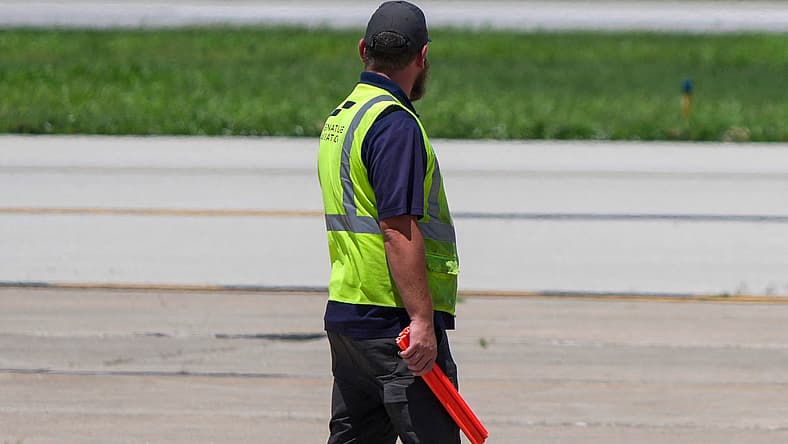
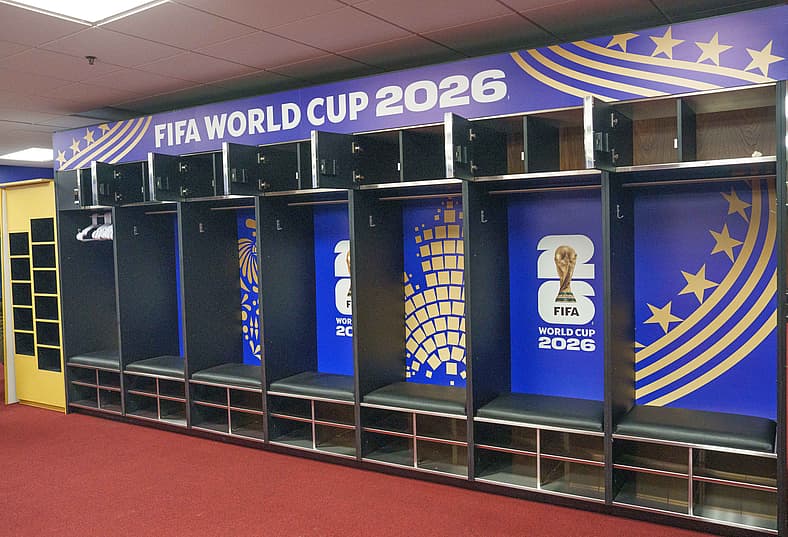
The 2026 World Cup was supposed to be a celebration of football on a record scale. With 48 teams, 3 host nations, and millions of fans traveling across North America, FIFA billed the tournament as the “most inclusive” World Cup ever.
Yet, the doors are shut for many communites.
Questions about visa restrictions, border policies, and travel bans have become very difficult to ignore. Critics argue that the tournament is unfolding against a backdrop of exclusion, with some players, officials, and fans facing significant hurdles just to enter the United States.
The Omar Artan Case
No incident has drawn more attention than the case of Somali referee Omar Artan.
Artan had been selected to officiate at the World Cup and reportedly arrived in Miami with a valid visa. However, he was denied entry into the United States and ultimately removed from FIFA’s list of tournament officials.
The decision triggered widespread reaction across the football community, particularly in Africa. Pan-African outlet Africa Is a Country described the incident as the ‘biggest scandal’ so far.
For countries like Somalia, which rarely have representatives on football’s biggest stage, the appointment of a referee to the World Cup had an enormous symbolic importance. Losing that opportunity before the tournament even begins has left many questioning how accessible the event truly is.
Players and Delegations Facing Travel Problems
Artan’s case is not the only one raising concerns.
Cameroonian-born Swiss forward and vice-captain Breel Embolo reportedly encountered issues related to his ESTA travel authorization before departing for the United States. Moroccan defender Zakaria El-Ouahdi is said to have faced similar complications.
The Iraqi national team also experienced difficulties upon arrival. According to The Guardian, the team’s official photographer was detained and sent back, and striker Aymen Hussein was questioned for several hours of before being allowed to continue his journey.
Taken individually, each case may appear administrative. Together, they are contributing to a growing perception that access to the World Cup is uneven.
Fans Fear Being Left Behind
Fans are facing uncertainty too.
Advocacy groups and civil rights organizations have warned that tighter immigration policies could prevent thousands of fans from attending matches in the US. Concerns have been particularly strong among communities from countries affected by travel restrictions or stricter visa requirements.
For fans from some African nations, including Senegal and Cote d’Ivoire, obtaining travel authorization has become a source of anxiety in the months leading up to the tournament.
The World Cup is supposed to bring people together. Especially a soccer one. If large groups of fans are unable to attend, the atmosphere and spirit of the competition inevitably suffer.
From FIFA’s perspective, the 2026 edition is a record one. The expansion to 48 teams was designed to give more nations than ever before a place on football’s biggest stage.
But that expanding participation on the field means little if barriers off the field prevent people from taking part.
U.S. officials maintain that security remains the priority. The government has defended its screening procedures as necessary measures designed to protect the country during a major international event.
That explanation has done little to quiet the debate.
As the 2026 World Cup starts tomorrow, FIFA’s promise of the “most inclusive” tournament in history is clashing with harsh geopolitical realities.