Farah Ben Gamra
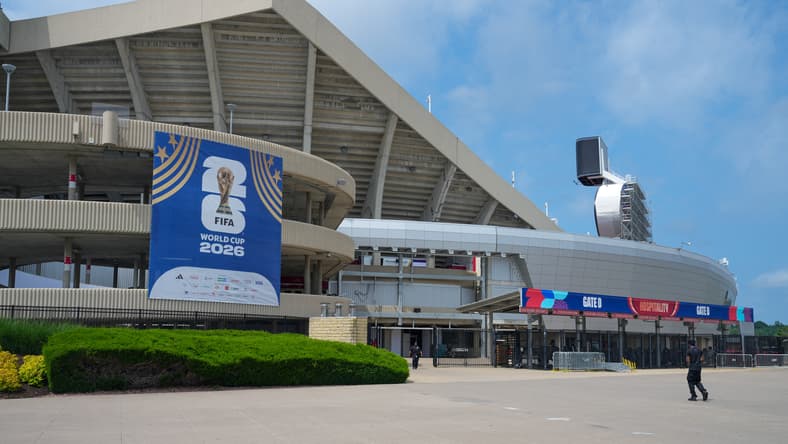
Kansas City is putting a wide-ranging counter-drone security plan in place ahead of the 2026 World Cup to keep their stadiums, hotels, transport routes and public fan zones protected from the growing risks posed by unmanned aircraft.
Officials are planning for more serious scenarios than reckless hobby flights, including surveillance attempts or disruptions around impotant matches and team movements. The idea is to manage the city’s low-altitude airspace in real time and keep it under control throughout the tournament.
The setup is a mix of detection tools and response systems designed to work together across the city.
One of the main platforms being used is DroneShield, which relies on radio-frequency sensing and automated detection systems to spot and track drones as they move through busy urban airspace.
Another important piece is the AirHub Portal from Airspace Link, which pulls in live FAA data along with Remote ID signals. That gives authorities a shared, constantly updated picture of what’s flying where, and whether it should be there or not.
When a drone does cross the line, the response options vary. Some situations may involve electronic disruption tools that interfere with the control signal. Others could use so-called “hunter-catcher” drones: interceptor units that physically net rogue drones and bring them down safely.
The overall approach avoids anything risky over crowds. The focus is on control and containment rather than destruction.
Multiple agencies working together for the 2026 World Cup
The system isn’t being run by many departments. It brings together several layers of law enforcement and federal coordination.
War Department, local police, federal partners, and agencies including the FBI are working alongside a joint interagency task force known as JIATF 401. Their role is to make sure information moves quickly between city, county and state levels, especially during match days when the pressure is highest.
Funding support is also coming from federal programmes, including FEMA and the Department of Homeland Security’s counter-drone grants.
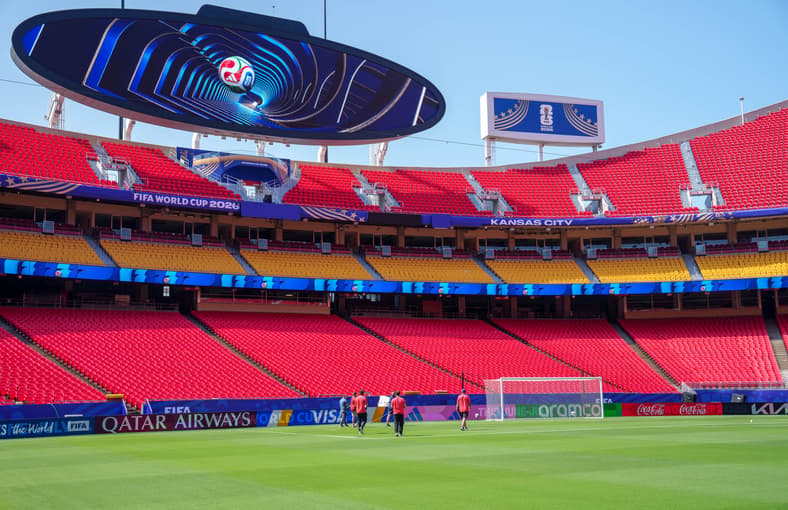
The surveillance and protection zones stretch well beyond the stadium itself. They include fan zones, transport hubs, major routes through the city, and the hotels and training bases used by visiting teams.
Teams that gave their base in the region include England, Argentina, the Netherlands and Algeria.
Tight restrictions in the air
Temporary FAA rules will impose strict no-fly zones during match days. These include a 3.5-mile radius around stadiums and altitude limits up to 3,000 feet.
Flying a drone inside those areas without permission will be treated as a federal offence. Penalties can reach six-figure fines and even prison time.
Officials are expecting enforcement to be strict, especially during live matches and major public events.
Even though the system is being built for the World Cup, the infrastructure is expected to stay in place and evolve into a long-term urban airspace management system.
So the World Cup is acting as a stress test for something much bigger: how cities manage the sky above them as drones become a normal part of everyday life.