Jason Burgos
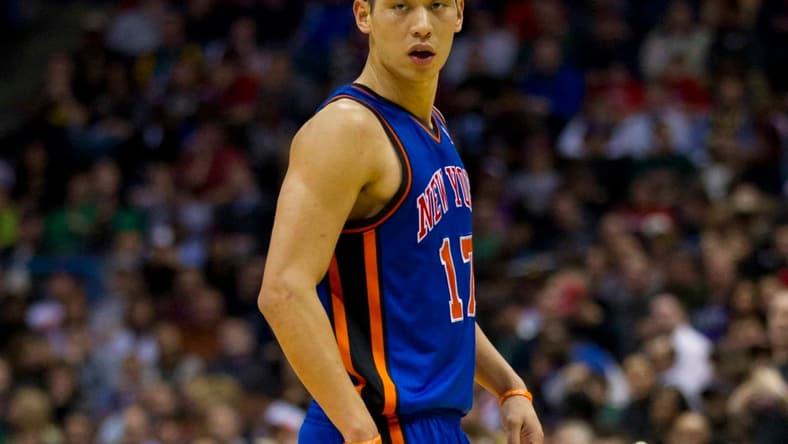
New York Knicks veteran Jeremy Lin’s retirement this weekend has rekindled one of the biggest questions for the franchise this century. What if they had let “Lin-Sanity” last a lot longer?
“It’s been the honor of a lifetime to compete against the fiercest competitors under the brightest lights and to challenge what the world thought was possible for someone who looks like me,” Lin said in a post on his Instagram account. “I’ve lived out my wildest childhood dreams to play in front of fans all around the world. I will forever be the kid who felt fully alive every time I touched a basketball.
“… So many people have sacrificed and poured into my journey, more than I could ever repay. Thank you all for believing in me, for walking with me, for celebrating my highs and picking me up in my lows,” he added. “This is a ride I never wanted to end, but I know it’s time. I will forever miss playing basketball in front of you all, but our time will go beyond just playing.”
The 37-year-old played for 8 different teams during his NBA career. But no tenure was more meaningful and impactful than his 35 games in New York during the 2011-12 season. His hot streak took the city, and in some ways, the league by storm. But the fact that his time in Gotham was so short will make fans forever wonder what could have been if he returned in the following seasons.
The insanity of “Lin-Sanity”
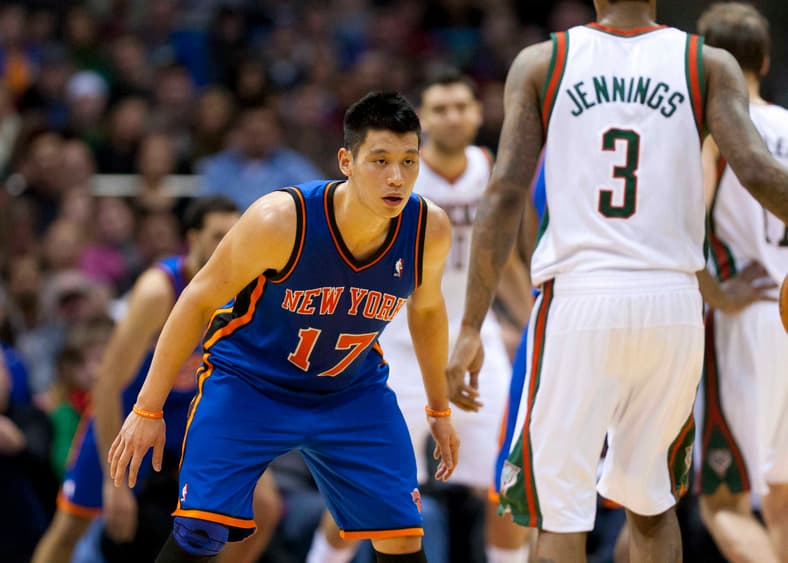
When he was added to the roster for the 2011-12 season, nothing was expected from the undrafted guard from Harvard University. He did not have a career that NBA scouts took note of in the college ranks, and he was unable to hold on to a roster spot during his rookie season with the Golden State Warriors.
Over the first few months of the season, he made just nine appearances, mostly in garbage times at the end of games. However, due to an outbreak of injuries in February 2012, he was thrust into more minutes as coach Mike D’Antoni looked to patch things up with the talent on the roster. And from February 4th through much of March, Knicks fans went on a wild ride.
With top star Carmelo Anthony sidelined, he shockingly became a focus of the offense. Scoring 20 or more 11 times, including an unforgettable 38-point performance in a win against the Los Angeles Lakers on February 11. In that month, he averaged over 20 points a game with eight assists and four rebounds. The kid from Cali was playing like an All-Star.
So why did “Linsanity” end after such an exciting month and a half?
Carmelo Anthony and money killed ‘Linsanity’
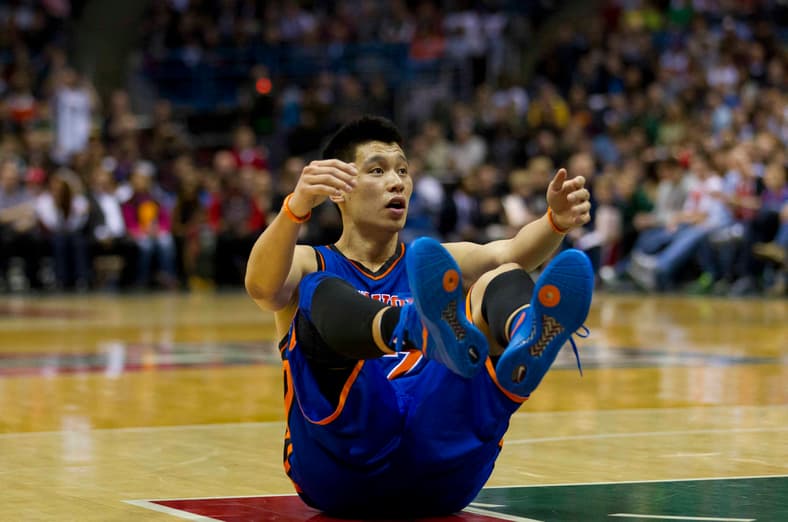
“Linsanity” grew because Lin played well, but the team was also using more team ball during their wins. Something that wasn’t the case when Anthony was on the floor. Well, after a couple of weeks on the sidelines, he returned in late February, and things quickly started to change.
Reports suggested Anthony did not like Lin taking away his touches, and the pair never gelled. The way the future Hall of Famer handled the situation even led D’Antoni to resign from his role over his issues with Anthony and management backing their top star over the red-hot Lin. When Mike Woodson took over, he showed his loyalty to Anthony, and Lin’s minutes diminished until he became a non-factor late in the season and during the playoffs.
However, the organization had an interest in bringing him back after the Knicks finished with a 36-30 record and were again ousted in Round 1 of the playoffs. But the Houston Rockets bought into “Linsanity” and shockingly gave him a three-year contract worth $25 million that summer. Ending his time in New York.
What could have been with Jeremy Lin?
Would Jeremy Lin have helped the Knicks win a championship? Probably not. However, he may have helped the franchise realize they wouldn’t do it with Anthony and his me-first approach to basketball much sooner. It is likely Lin would have continued to show the warts in his game and played his way out of a prominent role. Which would have brought a more organic end to his run. Instead of being forced into a diminished role by a star and his supporters.
Or he could have built a memorable career as a New York sports favorite. Helping a generation of Asian and Asian American kids discover a love for the NBA because of his successes in a massive media market. But unfortunately, we will never know and be left to always wonder.