Farah Ben Gamra
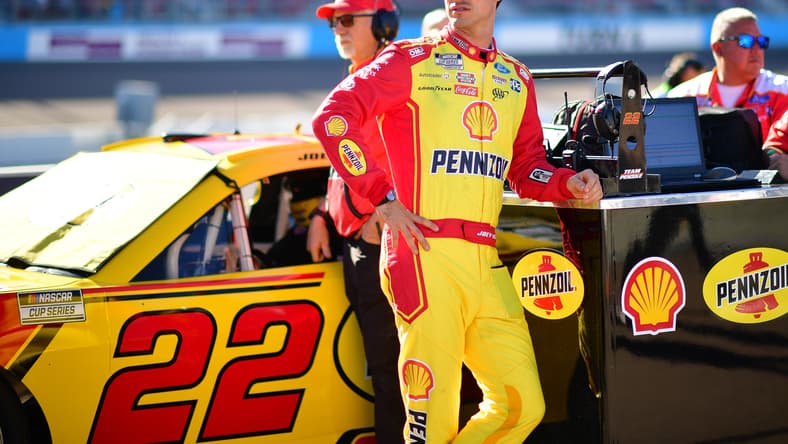
When NASCAR unveiled the Next Gen (Gen 7) car in 2022, it was a major turning point in recent Cup Series history. The new ride brought a whole lot more standardised parts, mucked up the aerodynamics, and forced drivers to seriously change up their approaches.
Few voices have been as honest about its impact as Joey Logano and his latest comments have reignited the debate: did the Next Gen car give younger drivers an unfair leg up over veterans? And as the series gets further into this new era, is that advantage still paying off?
For his part, Logano has been saying for ages that the shift to the Next Gen platform basically levelled the playing field. His reasoning goes that, because the old car (Gen 6) was so unique, the knowledge those veterans built up over years basically counted for squat in the new era. As he put it during a media day in Phoenix:
“The other car was very unique. It took years to get your head wrapped around it … when the Next Gen car was introduced all of that knowledge that the experienced guys had got wiped away back to zero. … You had to unlearn how to restart, how to pass cars, how your car is going to migrate …”
Under Gen 6, learning how to handle the aerodynamics, get the tyres to last, and get the car to balance out was a real steep learning curve. Drivers often needed whole seasons worth of seat time before they could really start to unlock the car’s potential.
And that’s why young drivers like Connor Zilisch are being tossed into the mix, with expectations that they can navigate the transition to Cup even more easily than earlier generations.
Joey Logano Citing Shane Van Gisbergen as proof
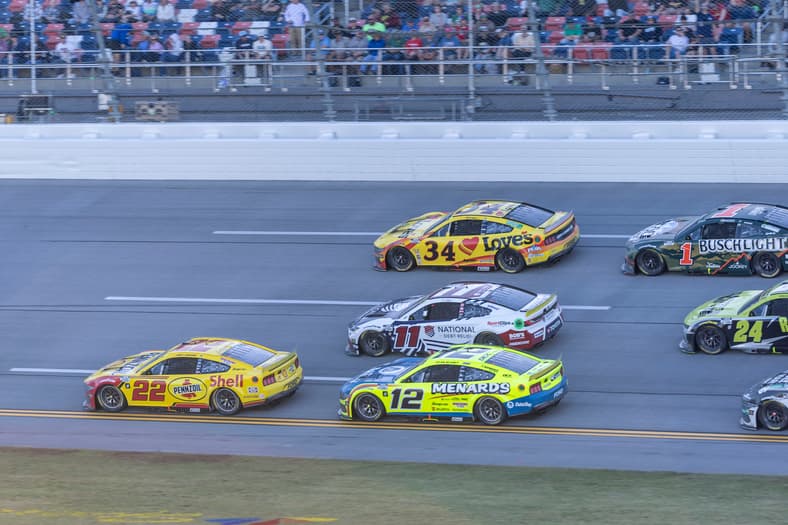
In Logano’s eyes, the reset helped out newcomers who didn’t have to unlearn any bad habits. Often he drops the name of Supercars import Shane Van Gisbergen as proof that he’s right.
The kiwi driver had actually been racing in cars that handled a lot like the Next Gen, so he was able to hop into a Cup car and immediately start competing at a high level. Logano put it this way:
“He’s able to jump into a cup car and win immediately because it felt like home to him.”
Well Shane Van Gisbergen’s results back that up. In his first few starts, he was already leading laps and claiming victories at the Chicago Road Course. And in 2025 alone? He racked up multiple wins, top 5’s and consistent top 10 finishes — a seriously rapid rise that underlines Logano’s point.
Logano contrasts that with how Van Gisbergen would’ve done if he’d been coming through back in the Gen 6 days: “It would have taken a little bit longer … with the old car … the little nuances about it.”
Now while Logano’s observations definitely held water in the early days of Next Gen, the series has had several seasons to get used to the new platform now. Teams have been collecting data, adapting and refining their set-ups, so at this point, the field may be less about who showed up late to the party and more about who can adapt and come up with the best strategies.
Joey Logano’s view that the Next Gen era gave younger drivers a temporary leg up is still pretty compelling, especially in the early years.
But as time goes on and teams get more experience under their belts, that gap starts to close. What once looked like a clear advantage of youth might now be just a test of who can adapt quickest, who’s got the best strategies and who just keeps on improving.