
 Isaac Ciravolo
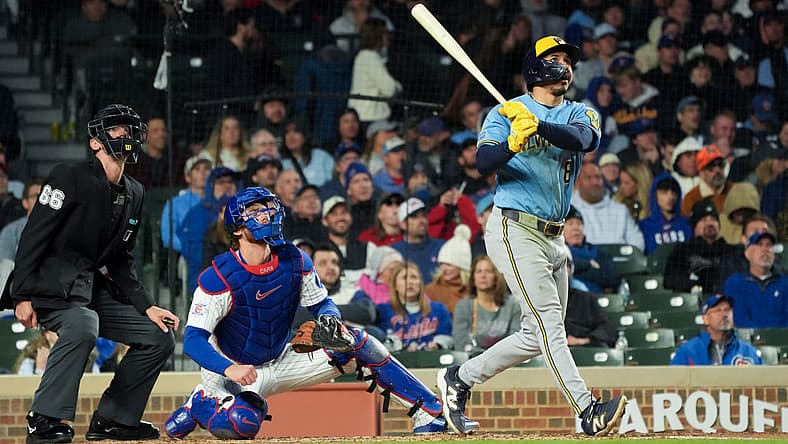
The National League Central is currently home to one of the most volatile and mathematically fascinating division races in baseball. Entering May 27th and following a head-to-head series sweep by Milwaukee, the Milwaukee Brewers (33-20) hold a five-game lead over the ailing Chicago Cubs (29-26).
While their records, even including a Chicago 10-game skid, were nearly identical, their paths to success could not be more distinct. The Brewers rode top-tier run prevention and low payroll to the top of the standings, and the Cubs rely on a heavy-slugging expensive offense to out-score a middle-of-the-pack pitching staff. This division is a classic collision of modern baseball philosophies.
The Pitching Asymmetry: Elite Prevention vs. High Variance
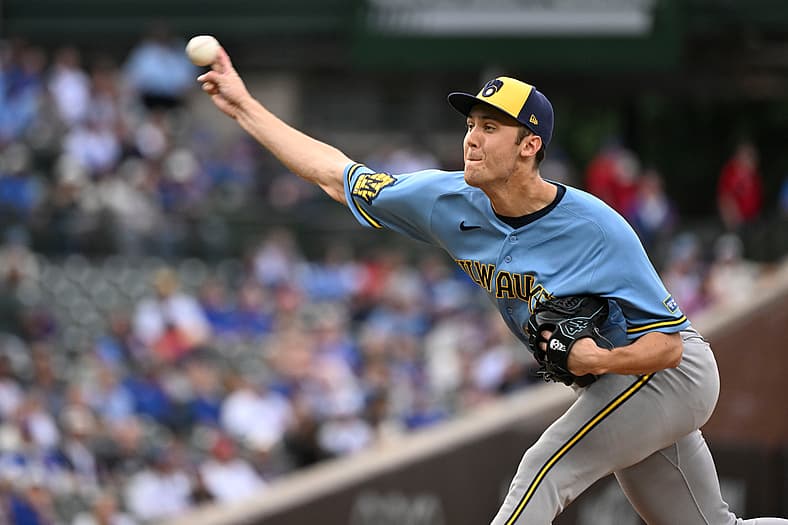
To understand why this race is so tight, you have to look at how differently these pitching staffs prevent runs. The Brewers established themselves as an elite run-prevention unit, ranking second in the majors in runs allowed. The Cubs, meanwhile, sit right in the middle of the pack of runs allowed.
Milwaukee’s Run Suppression
The Brewers’ pitching staff functions as a cohesive unit designed to choke off rallies before they happen, generating a massive +78 run differential.
- Run Prevention: Milwaukee ranks second in the majors with only 181 runs allowed (trailing only the Los Angeles Dodgers). They have posted a 2.30 ERA as a team in the past 15 days, going 10-4.
- The Ace: With Freddy Peralta now pitching for the New York Mets, Jacob Misiorowski has taken the mantle as ace, with his fastball averaging nearly 100 MPH. He carries a pristine 1.83 season ERA, and hasn’t allowed an earned run through 29.1 IP in May. Misiorowski also was the first pitcher to 100 strikeouts and leads the league in that category.
- The Piggyback Weapon: Manager Pat Murphy’s most unique weapon is Aaron Ashby. Deployed as an innovative, nearly everyday piggyback arm, Ashby routinely enters games after the starter, pitching 1-2 innings as a bridge to Milwaukee’s high-leverage arms. His volume and efficiency are so unique that he leads the league in wins despite pitching exclusively out of the bullpen, save for one opener start on April 10.
- Late-Inning Lockdown: Ashby’s bridge role allows Milwaukee to consistently hand leads over to a highly efficient backend pairing of Abner Uribe and Trevor Megill in the eigth and ninth innings.
Chicago’s High-Whiff, High-Damage Profile
The Cubs’ staff has extreme frontline upside but suffered from severe consistency and injury issues. They sit at 18th with 247 runs allowed.
- The Rotation Anchor: Being one of their few healthy starters left, Shota Imanaga (67 SO, 4.04 ERA) has been excellent at generating whiffs in the upper quadrants of the zone.
- Bullpen Depth vs. Disaster: Manager Craig Counsell has been forced to mix and match relentlessly. The Cubs remarkably have seven different pitchers with at least one save this season, tied for most in the majors. Leverage arms like Ethan Roberts (0.73 ERA), Caleb Thielbar (34% chase rate), and Daniel Palencia (team-leading 3 saves) are missing bats, but when they don’t they are prone to the long ball. The Cubs rank second in most homeruns allowed with 76 allowed.
- The Weak Link: This variance is evidenced by Phil Maton’s massive struggles (7.88 ERA). Because the Cubs allow significantly more traffic on the basepaths than Milwaukee, they place a massive burden on their lineup to simply outslug their own pitching mistakes.
The Divergence in Run Creation: Speed vs. Slug
Where the race gets truly interesting is how these two teams score runs. Their offensive profiles represent two entirely different eras of baseball strategy.
Milwaukee: Chaos on the Basepaths
The Brewers are shifting away from the standard three-true-outcome approach. Despite ranking last in home runs hit, they generate offense through contact, speed, and versatility.
- The Youth Engine: The integration of Jackson Chourio and Brice Turang has completely altered the Brewers’ lineup. Turang has emerged as a high-on-base and sneaky power catalyst for the offense, while the team leverages elite sprint speeds to turn singles into doubles.
- Manufacturing Traffic: Instead of waiting for a home-run to score a player, Milwaukee steals bases aggressively. By creating chaos, they force opposing pitchers to be more aggressive in the zone to veterans like Christian Yelich (.821 OPS) and William Contreras (.780 OPS) and rising power hitters like Andrew Vaughn (.917 OPS) and Jake Bauers (.851 OPS).
Chicago: The Three-True-Outcomes Machines
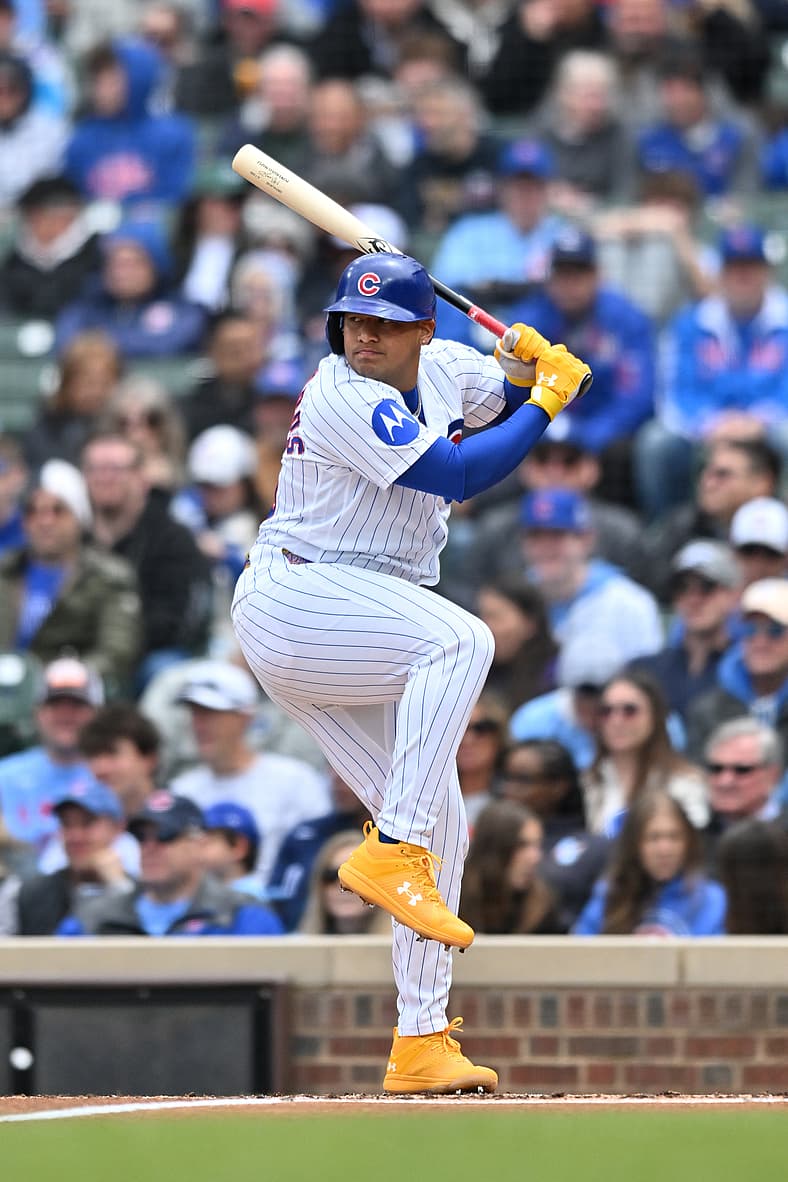
The Cubs lean into a purely modern analytical slugging profile, accepting higher whiff rates in exchange for walks and elevated launch angles. They are tied for ninth in the league for home runs (58) and scored 246 total runs, creating an incredibly volatile offensive dynamic.
- The Power Pillars: The lineup features distinct patient sluggers and situational hit-makers. Ian Happ serves as the primary power engine (10 HR, 35 runs), while Michael Conforto provides elite contact with a team-leading .322 batting average. Nico Hoerner anchors the situational production (54 hits, 31 RBIs), Seiya Suzuki and Alex Bregman maintain the on-base traffic, and Pete Crow-Armstrong provides raw speed with 12 steals.
- Boom-or-Bust Volatility: This power-heavy approach triggers historic highs. The Cubs this year have ripped off two separate 10-game winning streaks, building an 18-11 record at Wrigley Field. However, when the ball stays in the yard, the offense stalls completely. A sub-.500 road record (11-15) and going 2-13 in the last 15 games due to a drop in slugging percentage to just .276 shows their volatility when the ball does not leave the park.
The Verdict
This division race will ultimately come down to which team can smooth out its variance through the grueling dog days of summer. The Brewer’s speed-and-contact model paired with lockdown, innovative pitching is proving incredibly resilient against the league’s top lineups.
Conversely, the Cubs’ reliance on the long ball makes them deeply dangerous but highly streak-prone. If Chicago can stabilize its bullpen hierarchy and ride out the inevitable cold streaks from its sluggers, they have the offensive ceiling of a World Series contender. If the extreme highs and lows continue, Milwaukee’s dynamic consistency might just help the Brewers run away with the Central.
Related: MLB Week 8 Power Rankings