Isaac Ciravolo
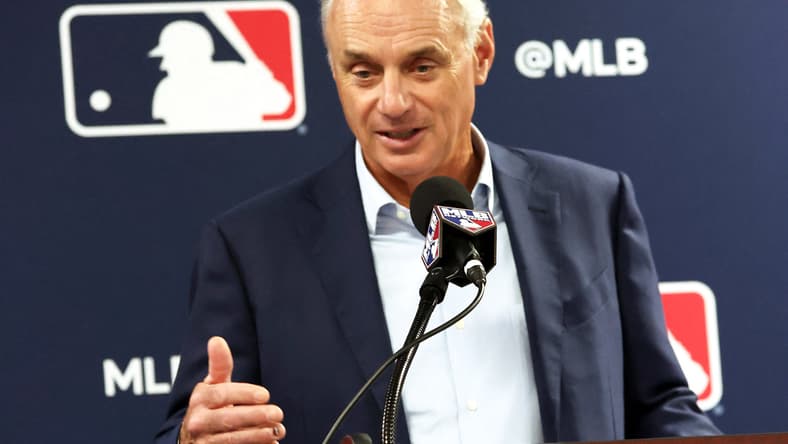
Following MLB’s June 25th collective bargaining agreement proposal, the MLBPA delivered a new set of proposals on Wednesday, July 1st. Instead of focusing on mega-contracts and salary floors, the union is targeting the daily rules of baseball.
The players want sweeping changes to rosters, player options and data transparency. It is a direct counterpunch to how modern front offices manipulate rosters to save a buck.
What the Players Want
The union’s proposal aims to protect major-league hobs, prevent injuries and stop teams from exploiting loopholes. Here is what they are asking for:
Roster Changes
- More Roster Spots in April: Teams would carry 28 players (max of 14 pitchers) for the first two weeks of the season. This is an additional two spots from the standard 26. Early-season games often lead to pitching injuries as arms build stamina. On April 3rd, promising young Chicago Cubs‘ pitcher, Cade Horton felt forearm discomfort that led to needing Tommy John, ending his season before it could get started. Additional roster spots would alleviate pitching stress and mitigate injuries like what happened to Horton and also create extra big-league jobs out of spring training.
- Winter Roster Relief: Teams could move players with long-term injuries to the 60-day injured list right after the season ends in November. Right now, teams have to wait until February. This change immediately frees up roster spots over the winter to sign new players.
- Ending the Minor League “Yo-Yo”: Currently, teams can demote a player to the minors five times in a single season. The union wants that capped at three. This limits how many times teams can call up cheap, borderline players (usually pitchers) for spot starts. By ending this roster churn, teams would need to pay more for stable major-league bullpen arms instead of treating players as expendable arms.
- Freeing Blocked Prospects: The Union demands faster eligibility and a yearly guarantee for the Rule 5 Draft. In short: if a team hoards a talented prospect in the minors for too long, another franchise can draft him and put him in the big leagues immediately. This would help young players stuck behind established veterans get paid the major league level they deserve.
Front Office Changes
- Protecting Pitcher’s Paychecks: Teams often demote relief pitchers before the All-Star break to stop their “service time” clock. Teams do this to retain players longer at lower wages. The union wants service time and salary guarantees for pitchers sent down during breaks or right after “good performances”. These “good performances” would be determined by specific thresholds.
- No More Front-Office Secrets: Players want full access to the non-proprietary tracking data and video that clubs collect on them. If a team uses specific data to evaluate a player’s contract, the player wants to see those exact same numbers.

The Clash With MLB’s Salary Cap
These demands by the MLBPA set up a massive clash with the league’s recent financial offer.
Just weeks ago, MLB owners pushed for radical economic shifts. These include a hard salary cap of $245.3 million, a $171.2 million spending floor and limits on maximum contract lengths. Owners insist these caps are necessary to level the playing field between big and small markets.
The union rejected the salary cap. Now, this roster proposal attacks the owners’ vision from a different angle.
To survive under a rigid salary cap, front offices rely heavily on cutting corners at the bottom of the roster. They save money by shuttling minimum-wage relievers between Triple-A and the majors whenever an arm gets tired.
The MLBPA is stripping away that loophole. By limiting minor-league demotions and demanding pay protections for relievers, the union is forcing teams to invest real money into dependable, full-time depth.
The Bottom Line
The battle lines are clearly drawn. MLB’s proposal focused on capping superstar salaries and controlling the overall budger. The MLBPA’s counter-offer focuses on everyday job security and boosting the middle-class player.
With the current labor agreement expiring in December, the two sides aren’t just fighting over a pile of money. They are fighting over how baseball operations are run, putting the 2027 season in jeopardy.