
 Isaac Ciravolo
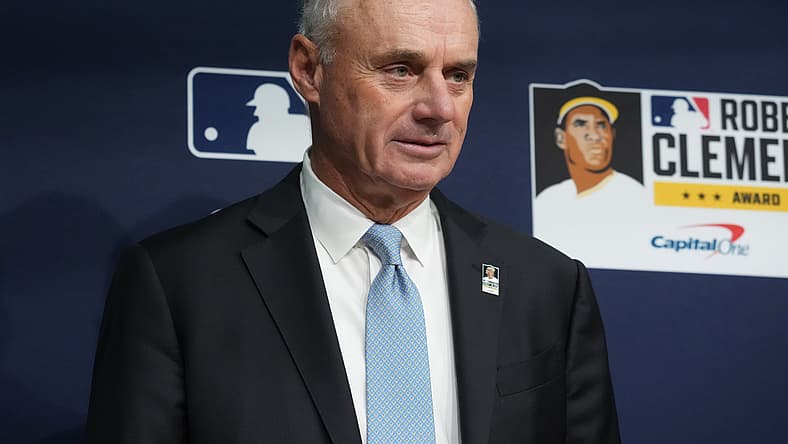
As Major League Baseball and the MLB Players Association continue to battle over the game’s next Collective Bargaining Agreement (CBA), the league has put forward a proposal that would fundamentally alter the amateur talent pipeline. The changes, if adopted, would be the most aggressive reshaping of the draft in its history, aiming to cut costs, redefine minor league development and effectively eliminate the high school prospect from draft day.
Here is a breakdown of the key changes on the table.
The End of High School Draft Eligibility
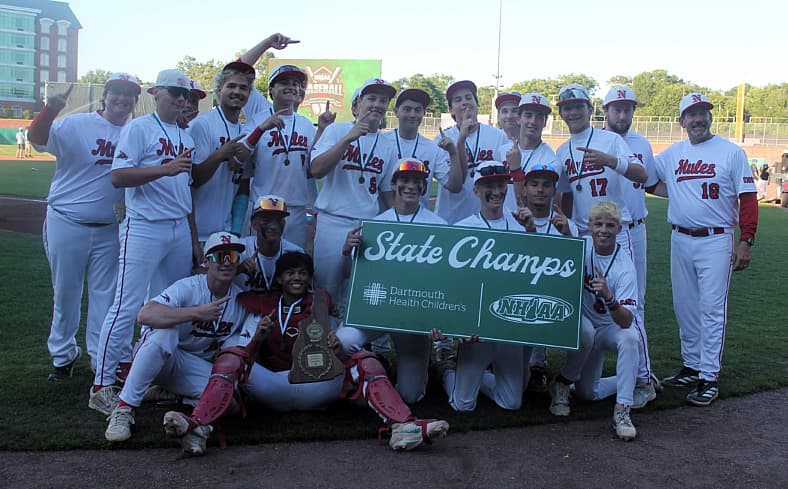
The most sweeping and controversial element of MLB’s proposal is the removal of high school players from the domestic draft pool. Under the new framework, players in the U.S. and Canada would need to be 20 on Sept. 1 to be draft eligible.
For the majority of amateur talent, this means they would not be draft eligible until after their sophomore season of college. Currently, players are draft eligible after their junior year of college. This shift effectively forces early stages of player development to the NCAA and junior college, relieving major league clubs of the time and potential financial burden of developing raw, 18-year-old prospects in the lower minors.
This push to end high school draft eligibility mirrors the NFL draft. Since football recruits cannot be drafted out of high school, college football has become massive and nearly rivals major, professional sports in popularity and ability to draw in money. Right now college baseball is not near college football in popularity, but if high schoolers were no longer draft eligible, college baseball could see their popularity rise to college football’s.
A Shorter Draft with Hard Slots
In 2021, the draft was permanently reduced from 40 rounds to 20. The current proposal aims to shrink it even further, dropping it down to just 12 rounds.
To give owners cost certainty, the league also proposed implementing “hard draft slots.” Teams currently have “bonus pools” and can negotiate with players, saving money on early picks to pay over-slot bonuses to later ones. Hard slot values would mean a drafted player has no abiity to negotiate their signing bonus. What the slot dictates is exactly what the player gets. Combined with a significant cut to the overall draft bonus pools (slashing them by roughly 50%), drafted players stand to make considerably less money upon entering the league and put more money in the owners’ hands.
Additionally, the draft lottery would be reduced from six teams to four and Competitive Balance picks would be completely eliminated.
Expanded Pick Trading
For years, MLB front offices have been nearly restricted from trading draft picks, save for Competitive Balance picks. The new proposal would allow all draft picks to be traded, introducing an entirely new dynamic to the MLB trade deadline and off-season. However, there are still limitations to what picks can be traded:
- Picks cannot be traded years in advance. Picks can only be moved within the current draft cycle. You cannot trade a 2030 draft pick before the 2029 draft has concluded.
- A team is not allowed to trade their first-round pick in back-to-back years.
- A team cannot acquire more than three total picks in the first three rounds of a single draft.
International Draft and Undrafted Free Agents
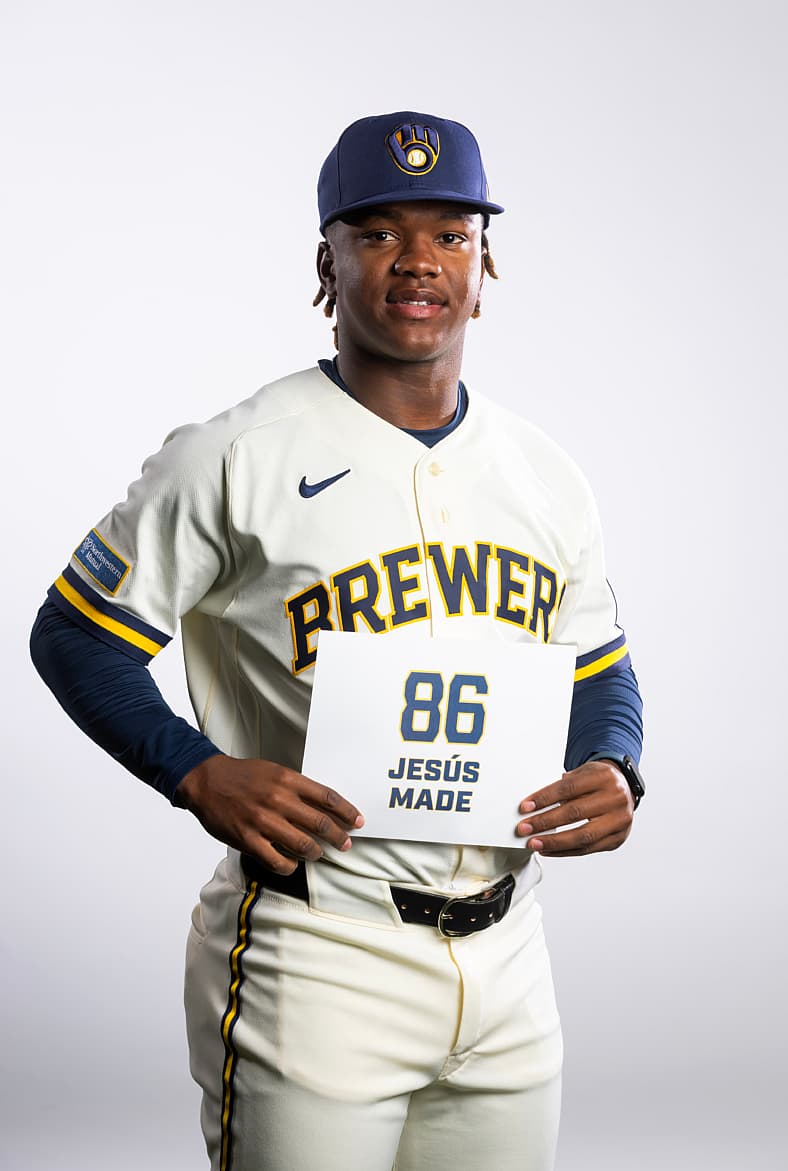
The proposal also looks to introduce a separate, formal international draft. Eligibility for international signings would be pushed a year older to age 18 by Sept. 1 of the draft year. Bonus pools for this international draft would be significantly smaller than the domestic version.
For players who go unselected in the new 12-round domestic draft, the financial outlook is grim. The cap on signing bonuses for undrafted free agents would plummet from $125,000 to just $10,000. This drastic reduction in bonuses is another incentive for players to stay in college baseball and only come to the majors when they are fully ready to make an impact.
The Road Ahead
From the owners’ perspective, these changes are about efficiency and cost reduction. Fewer draft rounds, set bonuses and eliminating high school scouting dramatically reduce the financial footprint of amateur acquisition and minor league development. It also aligns with the league’s ongoing efforts to consolidate and shrink the minor league system.
The MLBPA hates this proposal, already putting out a statement bashing it.
They argue these changes would result in hundreds of millions of dollars lost in player compensation. They have historically opposed an international draft and are likely to view the elimination of domestic high school players as a non-starter. As the CBA expiration looms closer, the draft framework stands as one of the most contentious battlegrounds for the future of the sport.