Scott Gulbransen
For years, Formula 1’s answer to the dirty air problem was the same: redesign the aerodynamics. Restrict this wing element, simplify that floor, reduce the turbulent wake so the car behind can actually follow. The 2022 ground-effect regulations were built around that logic. The 2026 rules tweaked it further. But two races into the new season, something unexpected is happening — and it has very little to do with wings. The F1 2026 regulations are actually making a difference, despite the complaints in other areas.
WATCH JAPANESE GRAND PRIX: Watch this weekend’s race action on Apple TV+
Early signs suggest that variations in power delivery from the new power units are allowing drivers to stay closer and fight even when running in disturbed air. The dirty air problem, while not gone, no longer carries the same weight it once did. That’s a meaningful development, and it points toward a rethinking of how F1 approaches the problem going forward.
What Is Dirty Air, and Why Does It Matter?
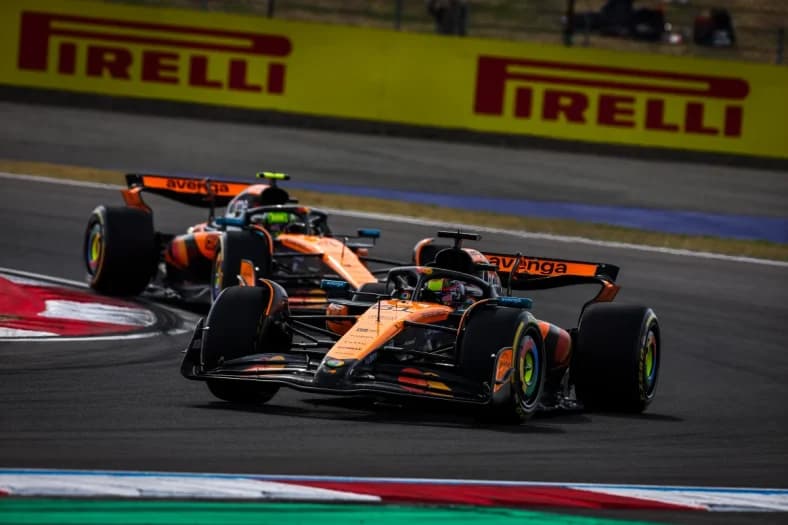
If you’re newer to the sport, here’s the short version: when an F1 car travels at speed, it generates turbulence behind it — the “dirty air” — that disrupts the aerodynamic performance of any car trying to follow closely. The trailing car loses downforce, which means it loses grip, which means it can’t corner as quickly or brake as late. The result is that even a slightly slower car ahead can hold off a significantly faster one simply by staying in front through the corners. It’s the core structural reason F1 has historically struggled to produce close racing.
The sport has been chasing a fix since at least 2009. The 2022 regulations represented the most aggressive attempt yet, engineering the cars to shed cleaner wake air. They helped somewhat. But fast cars will always create turbulent wakes, and high downforce will always be necessary. That problem cannot be removed entirely through aero design alone.
What the 2026 Power Units Actually Do
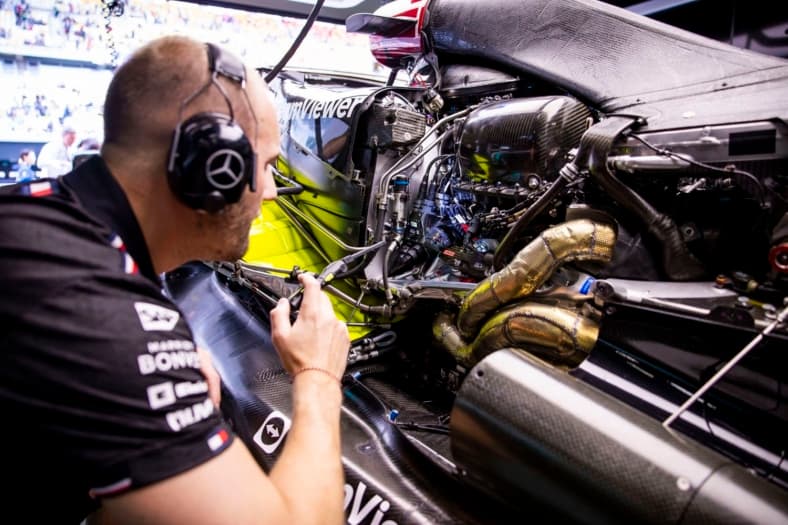
The 2026 regulations represent the biggest technical overhaul in F1 since the hybrid era began in 2014. The headlining change is a dramatic shift in the power balance: the new MGU-K delivers 350kW to the rear wheels — nearly three times the 120kW output of its predecessor — while the split between internal combustion and electrical power moves to roughly 50-50.
That matters for racing in ways that go beyond raw numbers. Because power delivery is now so heavily electrical, drivers have far more granular control over how and when they deploy energy around a lap. The Boost Button, Recharge modes, and the new Overtake Mode all give drivers tactical weapons that didn’t exist before. If a car gets within one second of the car it’s chasing at a designated point on the track, it gets to use and harvest a little more electrical power for the entire following lap.
That’s the mechanical replacement for DRS — and in key ways, it’s smarter. Rather than a binary switch that opens a rear wing flap on a single straight, Overtake Mode distributes advantage across the lap. Drivers can use that energy all at once or spread it across the lap, depending on when they feel they have the best chance to attack or where they are most vulnerable. That creates genuine strategic variety in how overtakes happen, rather than the paint-by-numbers DRS passes that became F1’s norm.
Two Races In, the Racing Backs It Up
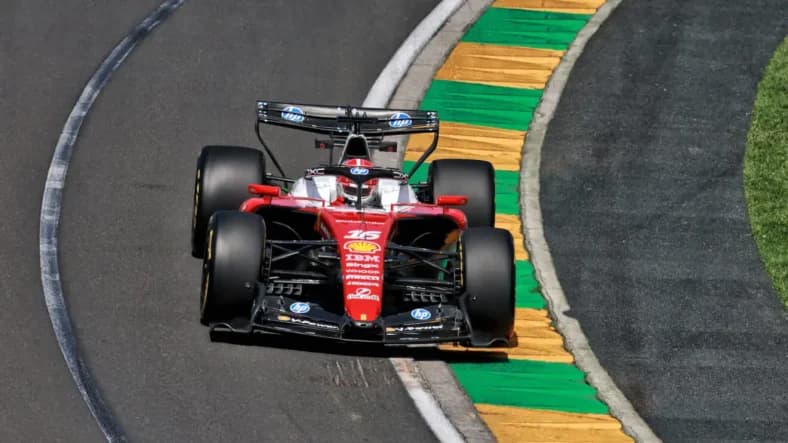
Melbourne and Shanghai delivered the kind of wheel-to-wheel action that’s been notably absent in recent seasons. Lewis Hamilton called his battle with Charles Leclerc in China the best racing he’d ever experienced in F1 — and that wasn’t empty promotion. The midfield fought more closely than expected. Drivers who in previous seasons would have been trapped in dirty air were managing to hold position, attack, and defend in ways the old cars rarely permitted.
The dialogue between F1 and the teams remains ongoing, and improvements will come — the current rules are not perfect. Ferrari, for instance, has shown strong pace in the first half of each race but struggled to sustain it against Mercedes over longer stints, suggesting the energy management picture is still being figured out. Depleting the battery to complete an overtake can leave a car vulnerable later in the lap if it can’t recover the energy spent. That’s a real trade-off, and teams are navigating it in real time.
The Bigger F1 Lesson
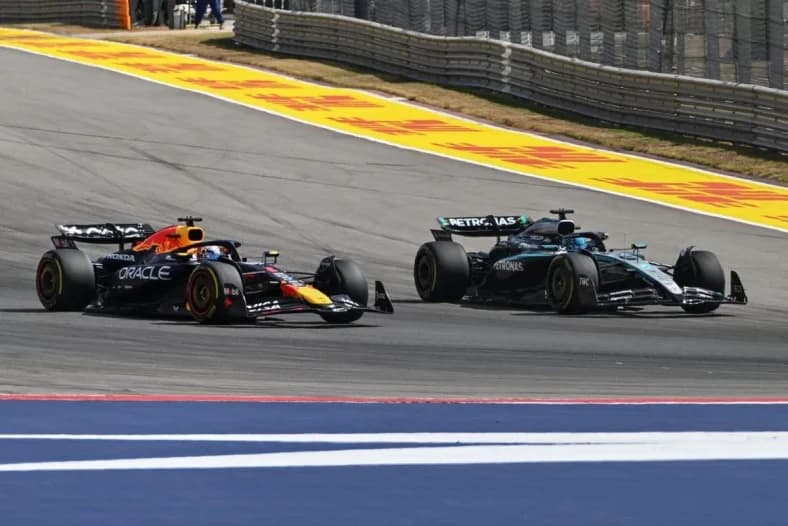
What the early 2026 data is pointing toward is something F1 has been reluctant to fully accept: you cannot aerodynamically engineer your way out of a fundamental physics problem. Future rules may need to combine aero improvements with systems that influence power delivery, but any approach should allow both drivers to compete on equal terms, rather than giving the car behind a fixed advantage. That’s the key distinction between Overtake Mode and the old DRS system: the former is a tool drivers wield strategically, while the latter was essentially a mechanical handicap.
It’s early. Two races are not a sample size that settles anything. But the direction is clear, and for a sport that has spent the better part of two decades trying to solve the same problem, that’s genuinely worth paying attention to.