
 Scott Gulbransen
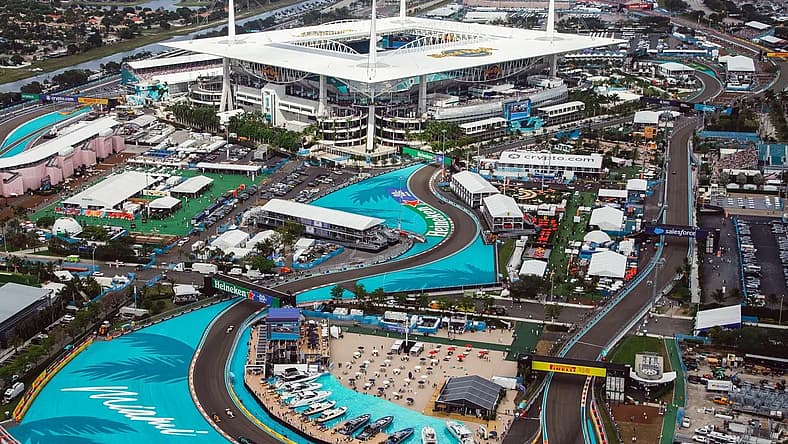
Somewhere at the Miami Grand Prix this weekend, there is a yacht parked next to a racing circuit. On that yacht, there is a celebrity who couldn’t name the points leader. Near that yacht, there is a brand activation for a luxury watch company that costs more to attend than a general admission ticket. And just beyond all of that — if you squint past the champagne towers and the paddock club rooftop lounges — there is an actual Formula 1 race happening.
Welcome to Miami. The most fun, most ridiculous, most unapologetically over-the-top event on the F1 calendar.
But why is it that way and why does it work so well?
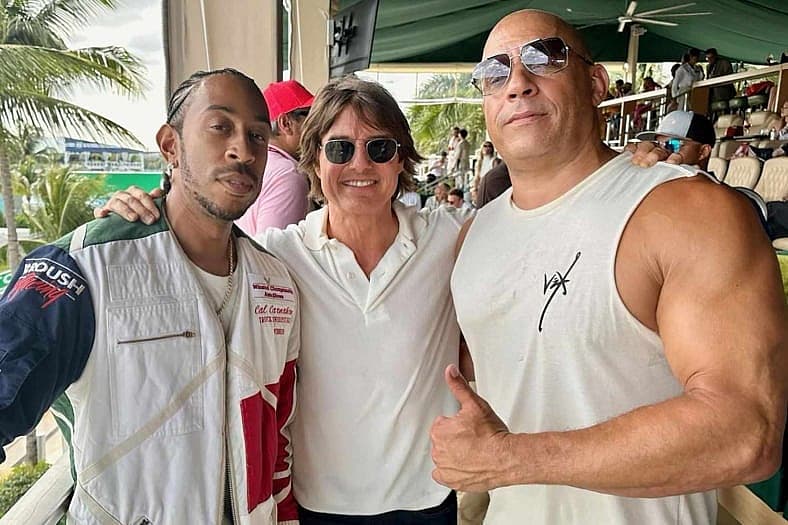
F1’s Star-Studded Guest List at Miami Grand Prix
The Miami Grand Prix launched in 2022 with a clear identity: this wasn’t going to be Spa. It wasn’t going to be Monza. It was going to be loud, expensive, and full of people who showed up for the scene as much as the sport.
It delivered immediately. The inaugural race drew athletes, musicians, actors, and influencers who had no particular connection to motorsport but had every connection to being seen. That first year set the template: Miami Race Week is a fixture on the social calendar, full stop. You don’t need to know what super clipping is to belong here.
Four years in, the celebrity pull has only grown. The paddock on a Saturday at Miami looks like a crossover episode between Drive to Survive and a music festival green room. Past attendees have included LeBron James, Michael Jordan, Serena Williams, Bad Bunny, Venus Williams, and a rotating cast of athletes and entertainers who treat the weekend like a destination event — because that’s exactly what it is.
What You’re Actually Buying in Miami
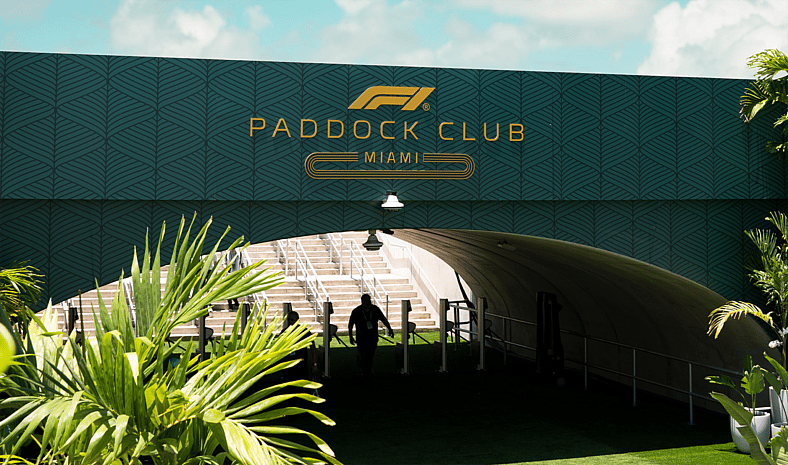
The Paddock Club at Miami doesn’t ask you to love racing. It asks you to love the experience of being near racing while eating well.
Three-day Paddock Club packages run from several thousand dollars to well over $10,000, depending on tier. What you get: rooftop views above the team garages, panoramic sight lines over the start-finish straight, open bars running all weekend, international cuisine from top chefs, pit lane walks, and a paddock tour where there’s a reasonable chance you end up three feet from Kimi Antonelli while holding a glass of champagne.
@jpark_fit Formula 1 Paddock Club experience! #f1 #miami #jparkfit ♬ original sound – Jeremy Park
The “Legend” package goes further. Full-day paddock access. A chance to stand on the actual podium. Encounters with team principals. It is, objectively, an incredible experience and it has very little to do with understanding tire degradation.
The contrast with general admission is stark. GA fans at Miami are watching F1 through fences and grandstands at a circuit built around a football stadium, in Florida heat, while the paddock club crowd enjoys climate-controlled suites above them. That gap between the premium experience and the standard one is more pronounced in Miami than anywhere else on the calendar. European fans notice this. They’re not shy about saying so.
The Brand Activation Arms Race at Miami Grand Prix
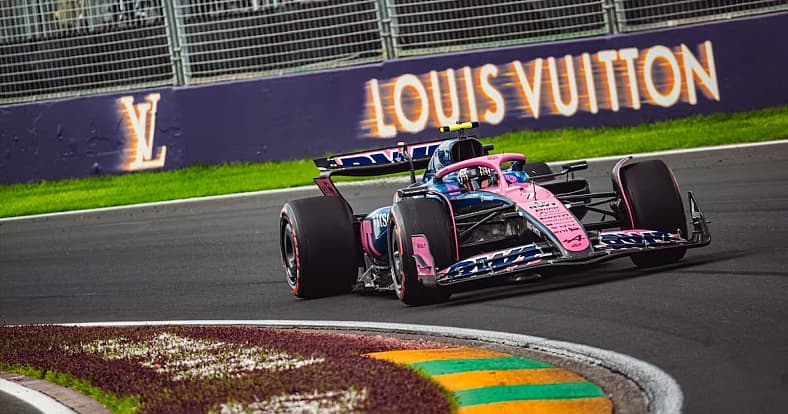
LVMH is involved. Crypto.com has title sponsorship. Every luxury brand with an American growth strategy has planted a flag somewhere in the Hard Rock Stadium complex this weekend.
But it’s gone beyond logo placement. The faux marina — a Monaco-style setup of yachts and cabanas built within the venue — is itself a brand-activation canvas. Companies book yacht space not just for clients but for content. Influencer packages. Product launches timed to race weekend. The Miami Grand Prix is now one of the most efficient premium marketing platforms in American sports, which is why the brand investment keeps growing every year and why the title sponsorship alone is worth more per race than most mid-calendar European rounds.
This “Americanized” Race is Polarizing with F1 Fans
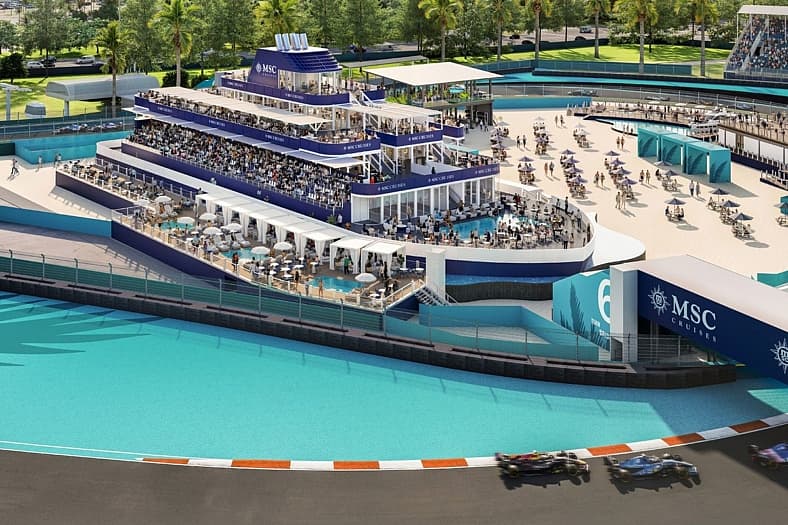
Here’s the honest version: European fans genuinely don’t like this.
The criticism isn’t new, and it isn’t subtle. The purist complaint is that Miami caters to people who treat F1 as a lifestyle accessory rather than a sport and that the Paddock Club crowd is more interested in getting a photo with a driver than understanding what that driver is doing in a corner. One European commenter put it plainly: races in Europe are “about racing, engineering and the love of the sport. Not the glamour.”
They’re not entirely wrong. And they’re not entirely right either.
The celebrity circus and the fake marina didn’t dilute F1’s American fanbase. They built it. The 52 million American fans who now follow the sport didn’t get here through technical briefings. They got here through the spectacle, through Drive to Survive, through Miami looking like the coolest thing happening on any given weekend in May. Some of those fans became real fans. Some come back every year for the champagne and leave before the podium. Both groups bought tickets. Both groups are part of why F1 extended its Miami contract through 2041.
Unapologetic Miami Set to Host F1 Through 2041
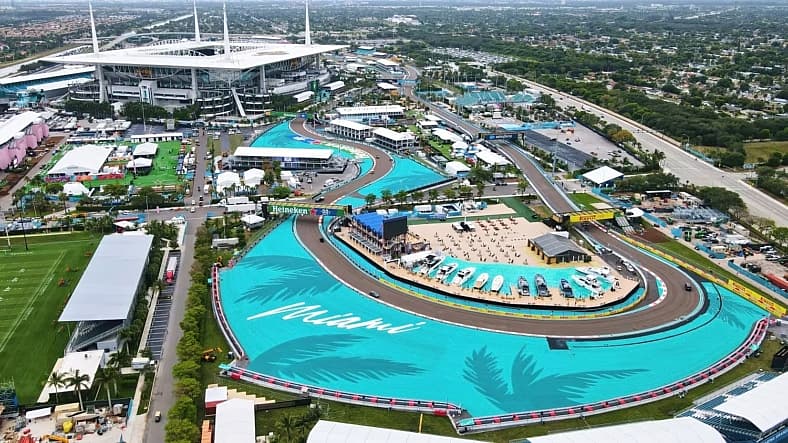
Miami Race Week is a cultural event that also features a Formula 1 race in the middle of it. That’s not a criticism. That’s the product.
The race is real. The championship matters. Kimi Antonelli is going to show up this weekend as the points leader and do something that reminds everyone watching why the sport itself is worth caring about.
But the yacht will still be parked next to the circuit. The champagne will still be flowing at 2 p.m. on a Saturday. And somewhere in the Paddock Club, a celebrity is going to ask which one is the Ferrari.