Rusty Weiss
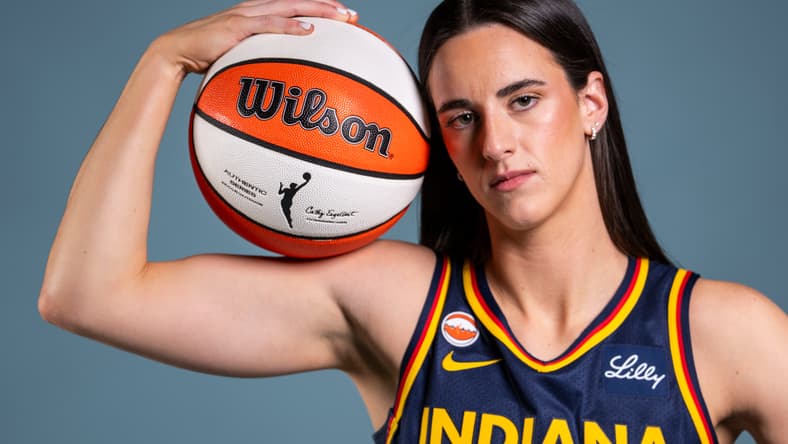
Women’s basketball icon Nancy Lieberman has a clear message: Caitlin Clark didn’t just change the WNBA — she helped rewrite its financial future.
Temporarily, anyway.
In a recent interview, the Hall of Famer and four-time WNBA champion credited the Indiana Fever star for the league’s transformative new collective bargaining agreement.
“She’s a generational player. She came with a fan base of millions, and it’s helping the league,” Lieberman said. “They don’t get the $2.2 billion collective bargaining agreement, honestly, without her being there.”
Caitlin Clark’s Massive Impact on the New WNBA CBA
The seven-year deal, reached in March, marks a massive leap for the league. It introduces the first-ever revenue-sharing model — giving players an average of 20% of league and team revenue — while nearly quintupling the team salary cap.
Top veterans are now in line for significantly higher earnings, with improved benefits covering everything from family planning to upgraded training facilities.
That’s all in spite of the league and the media doing their best to either bury their golden goose or to promote others above her.
Lieberman, a trailblazer herself, didn’t mince words about Clark’s impact. She compared the Iowa standout’s arrival to Michael Jordan’s effect on the NBA and Tiger Woods’ revolution in golf.
“You can’t deny she brings the media,” Lieberman said. “You’re talking about her. You probably weren’t talking about anybody four years ago. She’s done her job, just like Tiger did, just like Michael Jordan did.”
Why Veterans Should Celebrate Stars Like Caitlin Clark
Clark entered the league in 2024 after a record-breaking college career. She immediately delivered sold-out arenas, massive TV ratings, and a national spotlight that followed her from Iowa to Indiana. That surge in visibility, Lieberman argued, lifted the entire league rather than just one player.
“Now, you take A’ja, you take Napheesa, you take Stewie, you take Kelsey Plum, and you take Sabrina, and all these other great athletes, and now you put them together — that’s very formidable,” Lieberman said.
“These young players that are coming into the league have this incredible fan base,” she added. “They were making millions of dollars in college with their NILs, so they just brought that to the league.”
“We shouldn’t be jealous of them. We should celebrate them, not tolerate them.”
The Fever have faced early struggles in 2026, sitting at 6-5 despite high expectations. Yet Lieberman remains optimistic, noting that opposing teams now circle games against Clark the same way players once marked Jordan on the schedule.
Clark’s arrival has undeniably accelerated the WNBA’s growth trajectory. Whether it’s packed arenas or bigger paychecks, the ripple effects are impossible to ignore. As Lieberman sees it, the league’s future looks brighter — and a big reason is the young guard who brought millions of new eyes to the game.
It should be noted, however, that despite millions of new fans, ticket and merchandise sales, the league continues to hemorrhage money. That’s something the league has to turn around in a hurry.