Scott Gulbransen
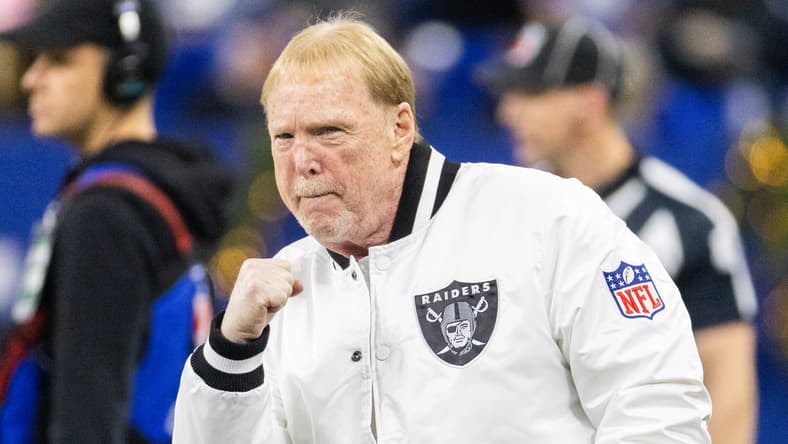
There’s a narrative making the rounds about Las Vegas Raiders owner Mark Davis, and you’ve probably read some version of it by now.
Mike Florio at Pro Football Talk wrote it first, and from there it went everywhere a national story goes. NBC Sports ran it, Yahoo picked it up and MSN syndicated it across every aggregation feed in the business. The framing is consistent throughout. Mark Davis is “cashing out” of the Raiders, selling off pieces, inching toward the exit, turning the franchise his father built into what Florio called “a mountain of cash” while he can still spend it.
It’s wrong and it’s lazy.
What’s actually happening with Raiders ownership right now is bigger and a lot more meaningful than a clickbait take about a 72-year-old owner counting his money and the real story matters to anyone who cares about where this franchise is headed.
The Mark Davis Raiders Tax Reality
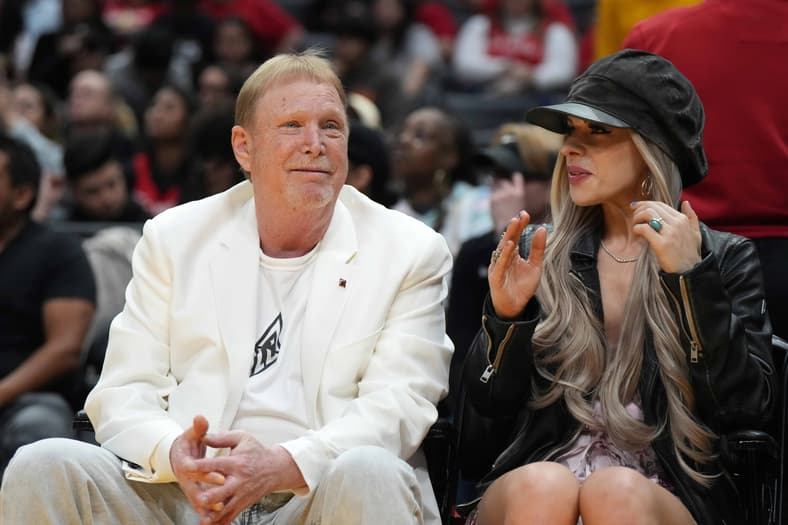
Mark’s mother, Carol Davis, passed away last October at the age of 93, and Raider Nation said goodbye to the First Lady of the franchise. She’d held a significant ownership stake in the team dating back to Al’s death in 2011, and when she died, that stake transferred to her only child along with a tax bill the size of a small country’s GDP.
The federal estate tax rate is 40 percent and Sportico valued the Raiders at $7.9 billion last year. You can do that math yourself, but the number you land on is the kind of figure that would crush almost any individual on the planet. Mark Davis didn’t wake up one morning and decide he wanted to sell the family business that his father, Al Davis, built. He inherited a tax liability that forced him to figure out how to pay it without losing control of the team his father moved heaven and earth to build and the moves he’s made over the last several months are entirely about solving that problem on his own terms rather than the IRS’s.
That’s not cashing out. That’s survival math, executed by an owner who’s actually thinking three moves ahead.
Chess, not checkers.
The Succession Plan Nobody Wanted to Build
Mark Davis is 72. He’s not married and has no children. The NFL requires every owner to have a succession plan on file with the league office and Davis had to build one whether he wanted to or not. That plan, approved by NFL owners back in March at the Phoenix league meetings, runs through Silver Lake co-CEO Egon Durban.
Durban isn’t some random private equity guy looking for a trophy asset to park his money in. He runs Silver Lake, sits on the board of Manchester City in the Premier League, and is wired into Madison Square Garden Sports, Fanatics Collectibles, and a portfolio that would make most Wall Street executives salivate. The NFL approved his right of first refusal on the controlling stake, which means that if and when Davis decides to step away, or when his estate eventually has to, Durban gets the first phone call.
Calling that “selling the team” misses the point entirely. Davis is making sure the Raiders don’t end up in a fire sale to some hedge fund stranger who’s never set foot in Allegiant Stadium when he’s gone and there’s a meaningful difference between those two things.
Want to know what cashing out actually looks like in the NFL right now? Look about 1,100 miles up the coast at the Seattle Seahawks.
Jody Allen lifted the Lombardi Trophy in Santa Clara on February 8, and 10 days later, the Paul Allen estate had the entire franchise on the open market with Allen & Company running the auction process. No succession plan, no continuity for head coach Mike Macdonald or general manager John Schneider, no clarity for the players whose contracts get inherited by whoever shows up with the biggest check. Just a “for sale” sign hung on a championship roster less than two weeks after the parade ended in downtown Seattle. That’s a fire sale. That’s an estate fulfilling a posthumous directive to liquidate sports holdings and write checks to philanthropy.
What Mark Davis is doing in Las Vegas is the exact opposite of that on every measurable level, and anyone trying to lump the two situations into the same “owner cashing out” bucket isn’t actually paying attention to what’s happening on the ground in either market.
Related: Raiders Rookie Minicamp 2026: Fernando Mendoza Already Looks Like the Guy
What the 25 Percent Sale Actually Means for the Raiders
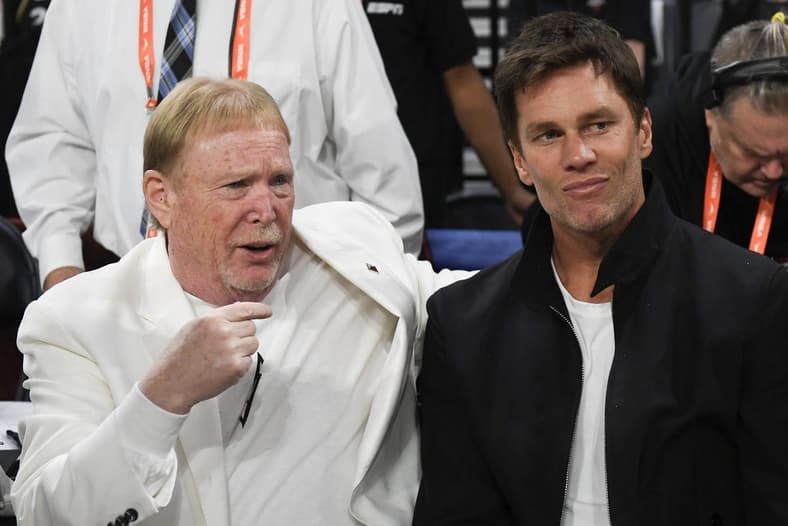
In a Bloomberg report earlier in May, Randall Williams reported that Durban’s group is acquiring 25 percent of the franchise at a $9.9 billion valuation. The equity is coming from existing minority partners rather than from Davis himself, which means Davis still owns 36 percent, he’s still the controlling owner and he’s still the man Spytek and Kubiak answer to when the football operation needs a decision.
Here’s the part Florio’s framing misses. Durban’s blended rate in this deal is reportedly under $8 billion, according to Bloomberg’s sources, which tells you that this is a sophisticated investor moving aggressively to consolidate his position because he believes the Raiders are undervalued. He’s not bottom-fishing a struggling franchise on the cheap. He’s loading up because he sees real upside and that’s a vote of confidence in this organization that should mean something to Raider Nation.
Want the rest of the story? Look at who’s writing checks alongside Durban in this round. Michael Dell of Dell Technologies, Joseph Baratta of Blackstone, Ari Emanuel of WME, and Mark Shapiro of TKO are also taking smaller pieces, according to Albert Breer at Sports Illustrated. These aren’t passive checkbook owners looking for a glamorous investment to brag about at cocktail parties. This is, quietly, one of the most strategically connected ownership groups in American professional sports and Davis is the one who built it.
The Raiders Tom Brady Factor
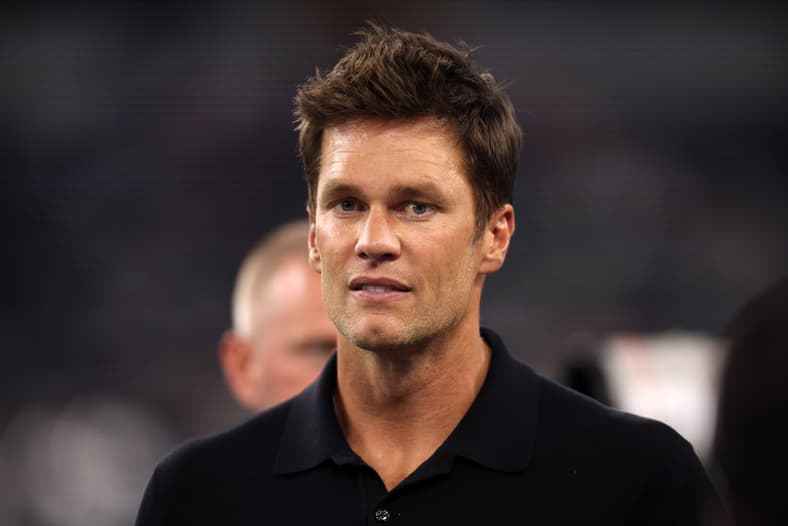
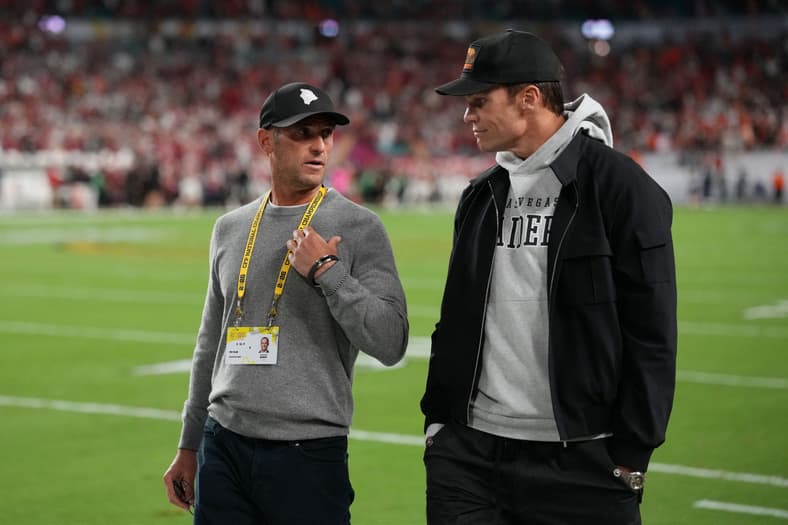
Tom Brady owns 5 percent of the Raiders alongside his business partner, Tom Wagner, and anyone who thinks Brady is here to cash a celebrity check hasn’t been paying attention.
Brady has been working with the quarterbacks throughout the offseason. He’s been in the building during minicamps and OTAs, and the leadership advice he gave Fernando Mendoza this spring has been part of the rookie’s media availability multiple times now. Brady is part of the football operation in a way no other minority owner in the NFL currently is, which says something about how Davis thinks about the role of these partnerships.
Davis didn’t bring Brady in to help sell the team out from under himself. He brought Brady in because Brady knows quarterbacks, knows winning, and knows how to build a culture inside an NFL building and the minority ownership pieces around him are connective tissue between the football side and the business side of the operation. That’s not the move of an owner trying to walk away from the franchise. That’s the move of an owner trying to fix what’s been broken inside this building for two decades.
Why This Is Good for the Future of the Las Vegas Raiders
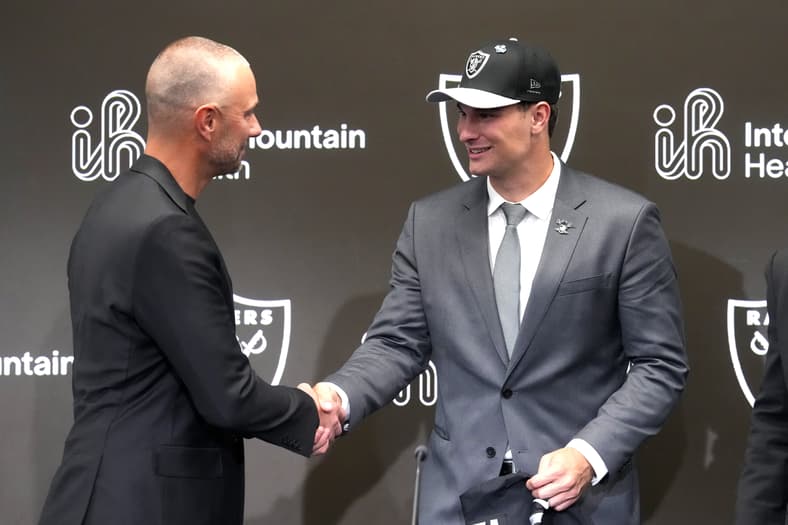
John Spytek and Klint Kubiak walked into the Raiders Henderson HQ with the No. 1 overall pick in their pocket, Maxx Crosby still wearing silver and black, Ashton Jeanty entering year two as the centerpiece of the running game and an ownership structure that just added serious operational firepower to the front office.
The Durban group brings infrastructure to a franchise that has badly needed it for years, and Davis himself acknowledged exactly that.
“They bring an incredible amount of infrastructure to this organization and expertise on so many different levels,” Davis said earlier this year and that quote isn’t ownership boilerplate. That’s an owner publicly acknowledging that the modern NFL has become too complex for a single family office to run on its own and that bringing in partners to carry the load is the right call.
When Spytek wants to spend aggressively in free agency, the cap mechanics behind the scenes are sound. When Kubiak wants to invest in performance science, analytics infrastructure, or quarterback development resources, the capital is there to back it. When the Raiders need to compete inside an AFC West that gets uglier every year, with the Chiefs running their dynasty playbook and the Chargers and Broncos both spending like they mean it, ownership isn’t a limiting factor on the football operation anymore, and that’s a meaningful shift from where this franchise was even three years ago.
What This All Means for the Raiders and Mark Davis
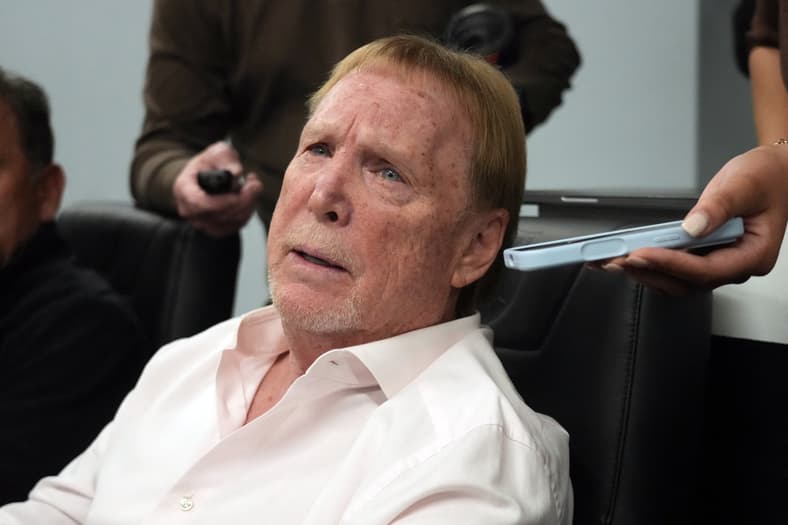
Mike Florio looks at this situation and sees an owner whose checkbook is moving closer to zero. I look at it and see a franchise moving closer to actual long-term stability for the first time in a generation.
Mark Davis didn’t ask for this position. He didn’t ask to be 72 years old with no heir and a Hall of Fame father’s legacy sitting on his shoulders and he certainly didn’t ask for his mother to pass with a tax bill attached to her ownership stake. What he’s done since October 2025 is handle the situation the way someone who actually cares about the long-term future of the Las Vegas Raiders would: working quietly and methodically with the health of the franchise in mind rather than the headlines.
The man isn’t cashing out. He’s making sure the Raiders are still the Raiders in 2050, making sure no one has to sell this team in a panic when he’s gone and bringing in partners who can carry the operation into an era his father couldn’t have imagined when he first bought into this team back in 1972.
Call it cashing out if you want. I’m calling it the smartest thing Mark Davis has ever done as an owner of the Las Vegas Raiders and every player in the building, every member of the front office, and every fan who still bleeds silver and black should be paying attention to what he’s pulling off.