Jason Burgos
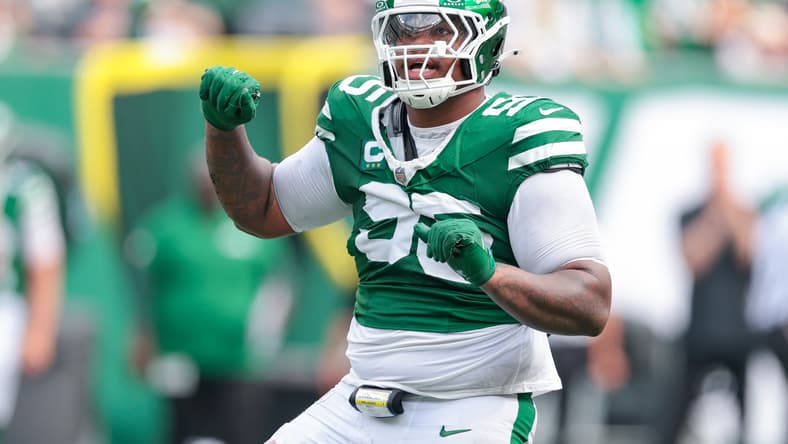
A new report offers up a boatload of evidence for why the New York Jets’ decision to trade Quinnen Williams on Tuesday was a master stroke by the team’s front office.
The Jets turned themselves into one of the biggest stories before the Nov. 4 NFL trade deadline. Not by making deals to improve their roster to try and salvage their season. No, New York, and first-year general manager Darren Mougey decided to take advantage of the trade market and supercharge their rebuild.
On Tuesday, they made not one, but two blockbuster deals that jettisoned their top two players on defense. In one trade, they sent two-time Pro Bowler Sauce Gardner to the Indianapolis Colts. Then they followed that up by sending three-time Pro Bowler Quinnen Williams to the Dallas Cowboys. Following the trades, they now have two first-rounders and two second-rounders in 2026, and three first-round picks in 2027.
They were bold decisions by the organization. However, in the case of Williams, it was one they needed to make, and a trade the third overall pick in 2019 asked for.
- Quinnen Williams stats: 1 sack, 32 tackles, 7 tackles for loss, 3 forced fumbles,
Quinnen Williams badly wanted out of New York
According to SNY NFL insider Connor Hughes, the relationship between Williams and the Jets reached a very dark place over the last six months, and he reportedly asked to be traded multiple times in 2025.
Hughes claims things started to go downhill between the two sides when the Jets released Aaron Rodgers in the offseason. After going public with his frustrations, a conversation between him and new head coach Aaron Glenn in March did not improve the situation.
He then asked this summer to have his contract reworked, since there is just $5 million in guaranteed money left. But the team denied the request since he still has two seasons left on his current contract. Once that happened, Hughes claimed the relationship became “irreparable.”
“The Jets’ 0-7 start made the relationship irreparable. Williams let those close to him know he wanted a fresh start and had little interest in working toward an extension in New York. His preferred destination was the Cowboys — a feeling that, clearly, was mutual,” Hughes reports.
So, instead of holding on to an unhappy star, New York moved him now instead of losing trade leverage later once word got around that he wanted out. Furthermore, they got a very good return in the deal, including a first-rounder. New York’s front office deserves credit for turning a messy situation into a potential long-term win for the franchise.