
 Jhelum Mehta

Former San Francisco 49ers star Aldon Smith died at the age of 36, the team announced on June 13. Smith was once one of the NFL’s most feared defensive playmakers, exploding onto the scene with 33.5 sacks in his first 32 career games and establishing himself as a true game-wrecker off the edge.
Despite his immense talent, Smith’s promising career was derailed by substance abuse issues and off-field troubles, forcing him away from the league between 2016 and 2019. He eventually returned for a comeback season with the Dallas Cowboys in 2020, but never played another NFL game after that year.
According to a friend who spoke with the San Francisco Chronicle, Smith had recently returned to the Bay Area and was facing financial difficulties. In a heartbreaking detail, he was reportedly delivering pizzas to a charity serving homeless people on the day he passed away. His family is now seeking answers about the exact cause of his death while also raising awareness about CTE.
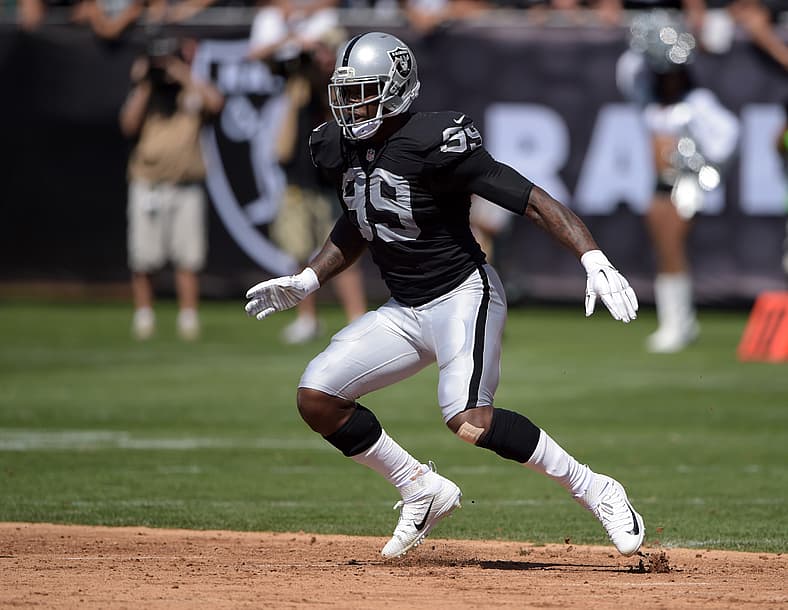
As of June 16, no official cause of death has been announced for former NFL star Aldon Smith. However, the search for answers is already underway. In a statement released through attorneys representing Smith’s family, it was revealed that they are investigating all circumstances surrounding his death, including whether chronic traumatic encephalopathy (CTE) may have been a contributing factor.
As part of that effort, Smith’s family has decided to send his brain to medical experts in Boston for examination, as per Adam Schefter on X. The goal is to determine whether the former NFL pass-rushing standout suffered from CTE. A condition that has become a major topic of discussion across the football world in recent years. While there is currently no evidence confirming that Smith had the disease, the family hopes the testing will provide greater clarity about what happened and potentially help raise awareness about the long-term effects of repeated head trauma.
CTE, short for chronic traumatic encephalopathy, is a progressive degenerative brain disease linked to repeated blows to the head. According to the Mayo Clinic, the condition damages and destroys nerve cells in the brain over time. Unlike a single concussion, CTE is believed to develop after years of repeated head impacts, making athletes in contact sports and military veterans among the groups most at risk.
One of the biggest challenges surrounding CTE is that it cannot currently be diagnosed in a living person. The disease can only be confirmed through an examination of brain tissue after death, making it difficult for researchers to determine exactly how widespread it is among former athletes.
Over the years, several former NFL players have been diagnosed with CTE posthumously. Including Aaron Hernandez, Junior Seau, Demaryius Thomas, Vincent Jackson, Chris Henry, Frank Wycheck, Jovan Belcher, Irv Cross, Conrad Dobler, and Terry Long. As Smith’s family awaits answers, their decision to pursue testing has once again brought renewed attention to the league’s ongoing conversation about player safety and the lasting impact of life in the trenches and on the gridiron.