Jason Burgos
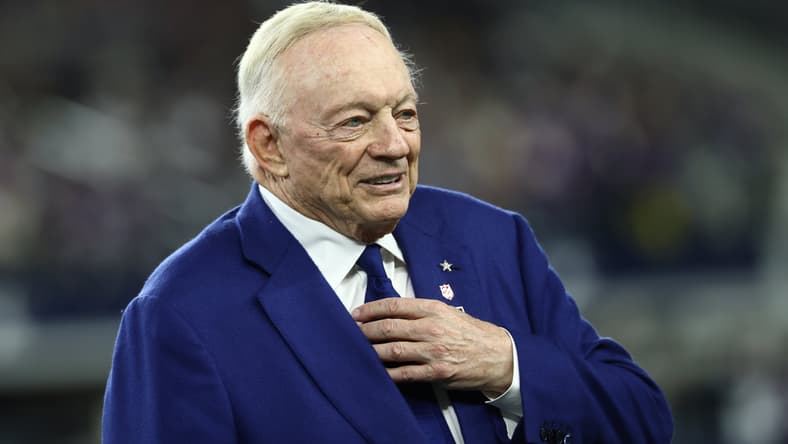
A new report has bad news for Dallas Cowboys fans hoping their team could jump into the reopened Maxx Crosby trade market after a deal to send him to the Baltimore Ravens fell through on Tuesday.
NFL fans got some stunning news last night when it was revealed that the Ravens had surprisingly backed out of the blockbuster trade they agreed to with the Las Vegas Raiders to acquire the five-time Pro Bowler. A team changing its mind before a deal is finalized is a rarity, but there was something about Crosby’s medical information that made Baltimore’s decision makers uneasy.
However, that is just one medical staff’s opinion, and other organizations may not have the same reservations. That was the thinking of many Cowboys fans on Tuesday night as they hoped their team might make a play for Crosby now that he is once again available to the highest bidder. But that likely won’t happen.
ESPN’s Adam Schefter mentioned during a Wednesday morning appearance on Get Up that Cowboys team doctor, Dr. Daniel Cooper, was among the medical experts who reviewed Crosby’s results after a Tuesday physical and advised the trade would be a risk. If he did not like what he saw, it’s very improbable he would sign off on a trade made by the team he specifically works for, the Cowboys.
Maxx Crosby’s surgeon questions Ravens decision
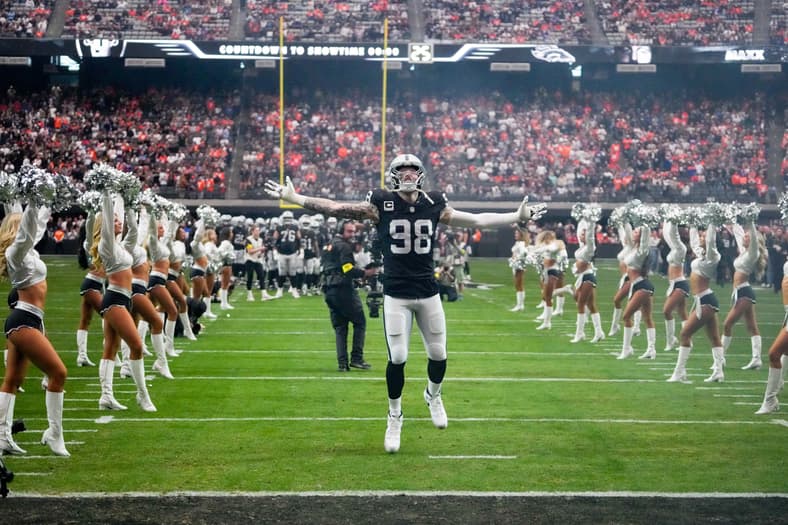
Crosby is currently rehabbing after surgery to repair a torn meniscus and other issues to the bone and cartilage in his knee. Reports suggest that how his joint has healed following the procedure raised concerns for the physicians who reviewed the results of his physical this week.
However, the surgeon who performed the surgery, Neal ElAttrache, offered Cowboys fans some hope that he could eventually clear tests and get traded to Big D on Tuesday night.
“Maxx Crosby is doing very well in the early part of his rehab and recovery from surgery to treat a significant meniscus tear and the related stress injury to the bone and cartilage in his knee,” he told ESPN. “… He feels very well and is already much improved compared to before surgery… The timing of this assessment is unfortunate because the apparent risk will lessen as his recovery progresses and his return to performance over the next few months becomes clear.”