Farah Ben Gamra
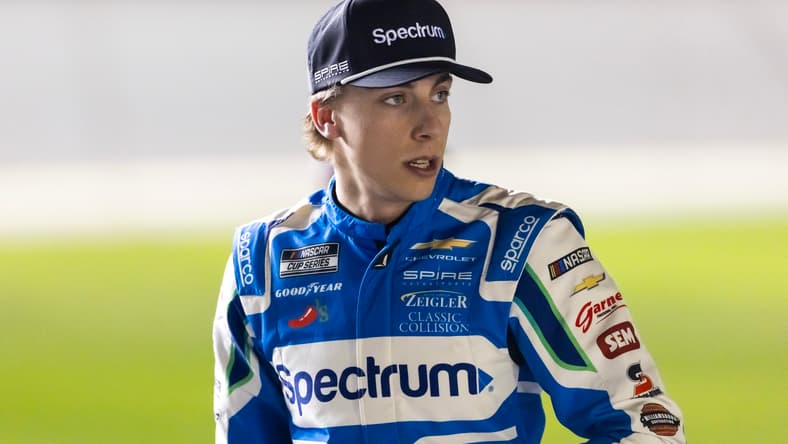
Carson Hocevar isn’t losing sleep over criticism from fellow drivers or the media, even after a dramatic finish at the NASCAR Cup Series race in Atlanta last weekend, the Autotrader 400.
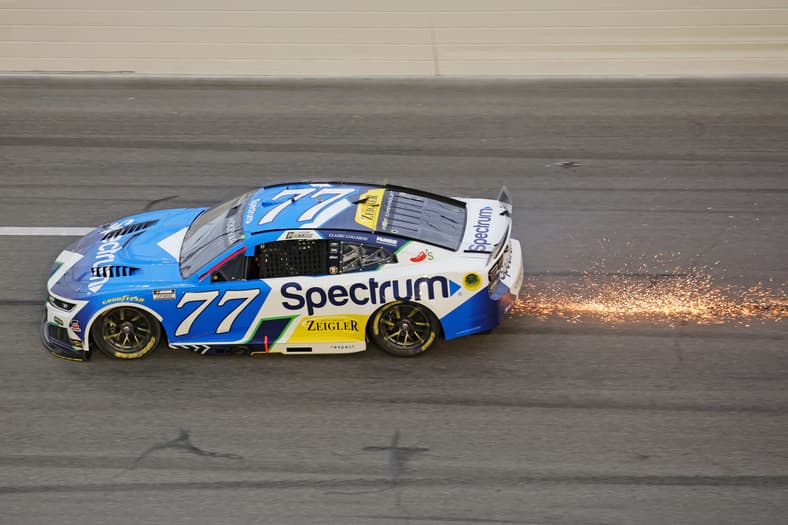
Hocevar’s driving in the final laps has definitely drawn a lot of attention and complaints because of just how aggressive it was. Some of the key moments included trying to squeeze between Bubba Wallace and Christopher Bell on a late restart, which ended up sending Bell into the wall, and then there was the earlier spin caused by contact he made with Ryan Blaney. After the fact, Hocevar admitted that he was basically “driving like in a video game,” and that he’s confident the Next Gen cars can take the kind of aggression.
The criticism came in quick most notably from Denny Hamlin on his Actions Detractical podcast, questioning whether Hocevar was just trying to put on a show or just being reckless. He called one of his maneuvers “idiotic” and warned that if that’s how he always drives, it could destroy the trust between drivers on the track. He said, “He’ll be in a position where he thinks he’s about to win, and someone will decide he’s not, and that’s going to hurt.”
Carson Hocevar Responds to Critics
Despite the criticism, Hocevar was unbothered. Speaking on the Jeff Glock podcast, he said, “I’m not out there driving and going, ‘Ah, you know, I want to sell some more T-shirts… I’m going to split this hole or I’m going to make this move and, yeah, they’ll talk about that, and then in the interview… cut a WWE promo.’ Like the rest is noise, and I laugh at it sometimes… I just look at it and go, you know, that’s just entertainment.” He emphasized that he doesn’t follow podcasts or commentary and focuses solely on racing as fast as he can.
That mentality and the way Hocevar’s just tuning out the himself from outside chatter could serve him well mentally. But NASCAR history suggests drivers rarely escape the long memory of the garage.
Since the introduction of Next Gen cars in 2022, Atlanta’s re-profiled surface has started to produce the pack-style racing that we used to see at Daytona or Talladega. The fact that these cars are built with a symmetrical body and high-tech composite materials means they’re just a little bit more forgiving when you do make contact and that’s probably helping drivers to push the limits a bit more.
Hocevar’s mindset to racing really illustrates a younger generation that’s grown up on sim racing and all the high-intensity restarts that come with it. When he says the racing is like a “video game” that wasn’t accidental. That speaks a lot about the modern racing psychology where calculated risk is becoming normalized these days.
But there’s a real fine line to navigate here. Aggression can win races. Over-aggression can cost allies. And in NASCAR, allies matter if you want to win.